
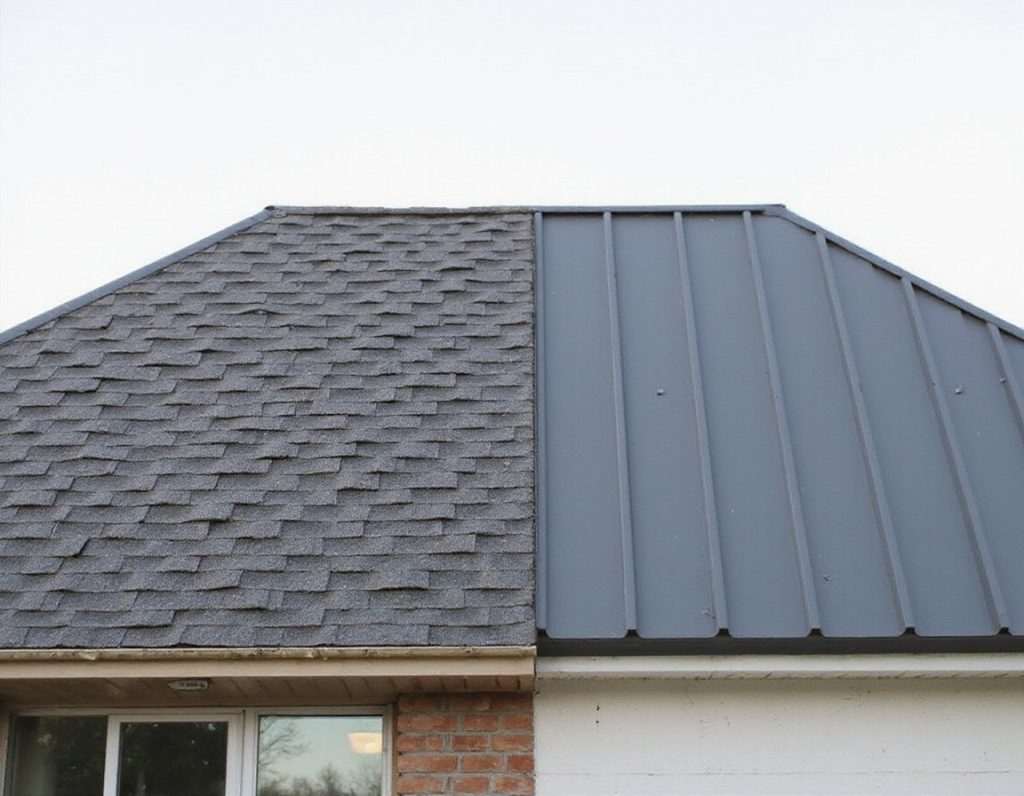
You’re deciding between asphalt and metal roofing, weighing costs, durability, and eco-friendliness. Asphalt’s initial cost is lower, but metal lasts longer, up to 50 years. Metal’s durability and low maintenance can save you money in the long run. You’ll want to take these factors and more into account to make an informed choice, and exploring further will help you get a clearer picture of which option is best for your home.
Key Takeaways
- Asphalt roofing costs $3.50 to $7.00 per square foot.
- Metal roofing lasts 30 to 50 years or more.
- Metal roofs require less maintenance than asphalt.
- Asphalt has a higher environmental footprint than metal.
- Metal roofing may lower insurance premiums long-term.
Introduction To Roofing Options: Asphalt Vs. Metal
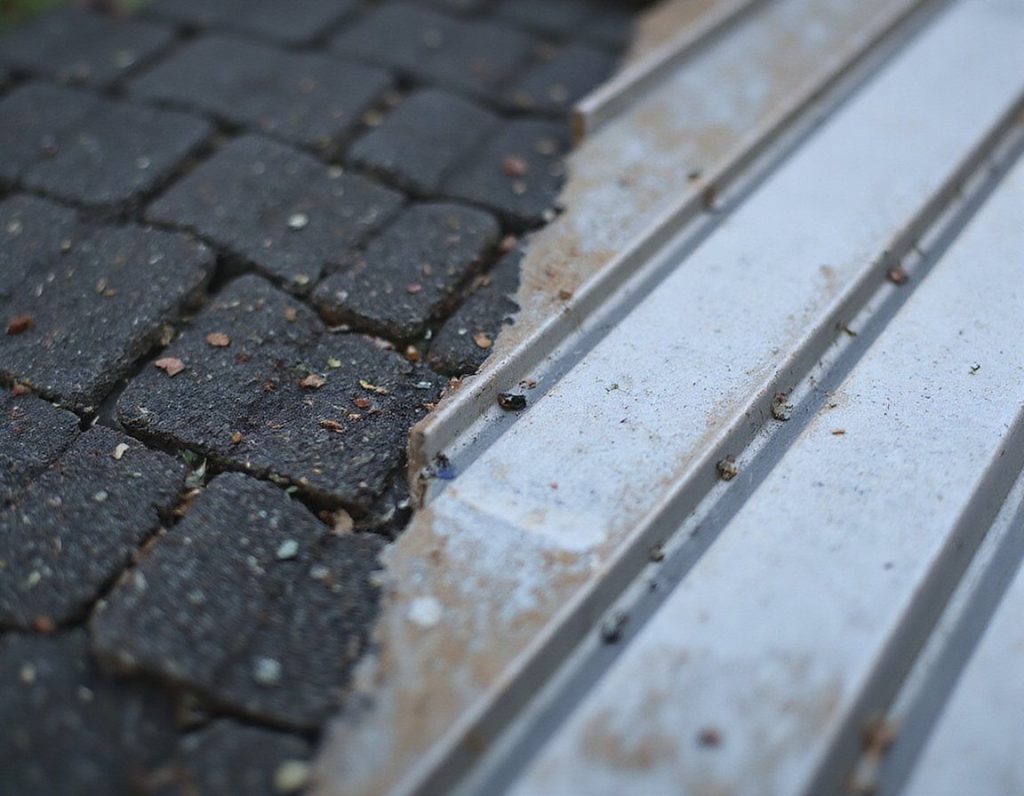
While considering roofing options for your home, you’re likely weighing the pros and cons of asphalt and metal roofing. You’re not alone in this decision, as many homeowners face the same dilemma.
Current roofing trends show a shift towards more durable and sustainable options, with metal roofing gaining popularity. Homeowner preferences play a significant role in this decision, as some prioritize affordability, while others focus on long-term benefits.
As you research, you’ll find that asphalt and metal roofing have distinct advantages and disadvantages. Understanding these differences is essential to making an informed decision.
By examining the latest roofing trends and considering your own preferences, you’ll be better equipped to choose the best option for your home, ensuring a secure and durable roof that meets your needs and budget.
This decision requires careful consideration of several factors.
Asphalt Roofing 101: What You Need To Know
You’ll likely start your research on asphalt roofing by looking at its composition – it’s typically made from a combination of asphalt, fiberglass, and minerals.
As you explore deeper, you’ll discover different asphalt types, each with its own advantages.
When it comes to installation methods, you’ll want to reflect on the following:
- DIY installation
- Professional installation
- Hybrid installation methods
These methods can affect the overall cost and quality of your roof.
Understanding asphalt roofing is essential to making an informed decision.
Informed decisions start with a solid understanding of asphalt roofing options and their implications.
You’ll need to weigh the pros and cons of each asphalt type and installation method to determine what’s best for your home.
Metal Roofing 101: Benefits And Drawbacks
You’re now evaluating metal roofing, so you’ll want to weigh its benefits, such as durability and energy efficiency.
As you research, you’ll find that metal roofs can last much longer than other options, with a typical roof life of 30 to 50 years or more.
You’ll also need to assess the cost factors, including the initial investment and potential long-term savings, to decide if metal roofing is the right choice for you.
Metal Benefits
As you consider metal roofing, its benefits become apparent: it’s extremely durable and can last up to 50 years or more, depending on the type and quality of the material.
You’ll enjoy several advantages, including:
- Energy savings through improved insulation
- Design versatility with various styles and colors
- Increased property value.
With metal roofing, you can achieve the look you want while reducing your energy bills. It’s a cost-effective option that offers long-term benefits, making it a great choice for your home.
You’ll appreciate its durability and aesthetic appeal.
Roof Life
Metal roofing’s lengthy lifespan is a significant advantage, and its durability directly impacts its overall cost-effectiveness.
You’ll find that metal roofing materials require less roof maintenance compared to other options. This reduction in upkeep can save you money in the long run.
As you consider different roofing materials, think about the long-term benefits of metal roofing. It can withstand harsh weather conditions and last for decades, making it a smart investment for your home.
With proper installation, metal roofing can provide a durable and low-maintenance solution, reducing the need for frequent repairs and roof maintenance. This extends its lifespan.
Cost Factors
Since durability plays a significant role in metal roofing’s cost-effectiveness, it’s essential to evaluate the cost factors that impact its overall price.
You’ll consider factors like climate considerations and aesthetic preferences.
Key costs include:
- Installation techniques
- Maintenance costs
- Regional pricing.
These factors, along with material availability, energy savings, and resale impact, help determine metal roofing’s cost.
You’ll weigh these factors to decide if metal roofing is right for you, considering both short-term and long-term expenses.
Durability Comparison: Asphalt Vs. Metal Roofing
You’re comparing the durability of asphalt and metal roofing, and you’ll want to evaluate the metal lifespan, which can range from 30 to 50 years or more.
Asphalt longevity is generally shorter, typically lasting around 20 to 30 years.
Metal Lifespan
When it comes to roofing, durability is a top priority, and that’s where metal roofing really shines – it can last up to 50 years or more, depending on the type and quality of the material.
You’ll benefit from metal durability, reducing maintenance costs over time.
Key advantages of metal roofing include:
- Long-lasting performance
- Minimal repairs
- Low maintenance costs.
With metal roofing, you’re investing in a durable solution that’ll save you money in the long run, making it a cost-effective option for your roofing needs.
Asphalt Longevity
Metal roofing’s impressive lifespan is a significant factor in its favor, but it’s also important to evaluate how asphalt roofing measures up regarding durability.
You’ll find that asphalt roofing typically lasts around 20-30 years. To extend its lifespan, you’ll need to perform regular asphalt maintenance, such as inspections and repairs.
Asphalt aesthetics can also impact its longevity, as damaged or worn-out shingles can lead to further issues.
How Long Do Asphalt Roofs Really Last?
How long can you really expect an asphalt roof to last? You’re likely considering factors like roof maintenance, asphalt types, and installation methods. These elements greatly impact the lifespan of your roof.
You should consider the following factors:
- Weather resistance: Harsh weather can reduce lifespan
- Asphalt types: Different types offer varying levels of durability
- Installation methods: Proper installation is essential for longevity.
Lifespan factors, aesthetic options, and noise reduction also play a role.
How Long Do Metal Roofs Really Last?
You’re likely wondering how long a metal roof will last, and that’s a great question.
When you consider a metal roof, you’re looking at an average life span that can range from 30 to 50 years, depending on the type and quality of the roof.
You’ll want to examine roof longevity factors, such as weather conditions and maintenance, to determine how they’ll affect the lifespan of your metal roof.
Average Life Span
Several factors determine a roof’s lifespan, but one thing’s for sure: you’ll get more years out of a metal roof than many other materials.
When evaluating a metal roof, you’re looking at a longer lifecycle analysis. You’ll need to plan your maintenance schedules accordingly.
Some key points to keep in mind are:
- Regular inspections
- Timely repairs
- Preventative maintenance.
Roof Longevity Factors
Because a metal roof’s lifespan is directly tied to its installation and upkeep, it’s crucial to understand the factors that affect its longevity. You consider roof maintenance, installation techniques, and weather resistance.
A metal roof’s aesthetic appeal, energy savings, and color options also impact its value. Additionally, recycling benefits, insulation properties, and fire safety are key advantages.
You’ll also appreciate the noise reduction it provides. By understanding these factors, you can make an informed decision about your roofing needs.
Proper installation and upkeep will help you maximize your metal roof’s lifespan and enjoy its many benefits.
Asphalt Roofing Costs: What To Expect
Most homeowners will pay between $3.50 and $7.00 per square foot for asphalt roofing, depending on the type and quality of the materials.
You’ll find that asphalt price trends can fluctuate, so it’s important to research current prices.
When considering installation options, you have several choices:
- DIY installation
- Hiring a local contractor
- Using a national roofing company
These options can impact the overall cost.
You should also factor in the cost of underlayment, flashing, and other necessary materials.
By understanding these factors, you can make an informed decision about your asphalt roofing needs and stay within your budget.
Keep in mind, asphalt roofing costs can vary, so it’s vital to get quotes from multiple sources to find the best deal.
Metal Roofing Costs: A Detailed Breakdown
You’re now considering metal roofing, and it’s time to examine the costs involved.
You’ll need to factor in material costs, which can vary depending on the type of metal you choose.
As you calculate the total cost, you’ll also need to account for labor costs and installation fees, which can add up quickly if you’re not careful.
Material Costs
Several factors contribute to the overall material costs of metal roofing, and it’s vital to break them down to understand what you’ll pay. You’ll find that metal market prices impact your total cost. Compared to asphalt pricing, metal roofing can be more expensive.
Key costs include:
- Materials like panels and fasteners
- Underlayment and flashing
- Coatings and finishes.
These costs add up, but metal roofing can be a worthwhile investment. You’re paying for durability and longevity, which can save you money in the long run compared to asphalt roofing.
Metal roofing’s initial cost may be higher, but it’s important to evaluate its long-term benefits.
Labor Costs
As you evaluate metal roofing’s material costs, it’s clear that they’re just one part of the equation – labor costs will also impact your bottom line.
You’ll need to take into account labor efficiency, as metal roofing requires specialized skill requirements. Workforce availability and training needs can affect project timelines. Ensuring workers meet safety standards is essential.
Labor efficiency can reduce project timelines, but it depends on the workforce’s skill level and training needs. You must assess these factors to estimate labor costs accurately, considering the unique demands of metal roofing installation.
This helps you make informed decisions.
Installation Fees
Most metal roofing installations come with installation fees that can greatly impact your overall costs.
You’ll find that installation techniques can lead to cost variations. Consider the following factors:
- Labor costs
- Material waste disposal
- Permits and inspections
These fees can add up quickly, affecting your budget.
You should factor them in when comparing metal roofing to asphalt roofing. By understanding these costs, you can make a more informed decision about which roofing option is best for you.
Maintenance Requirements: Asphalt Vs. Metal
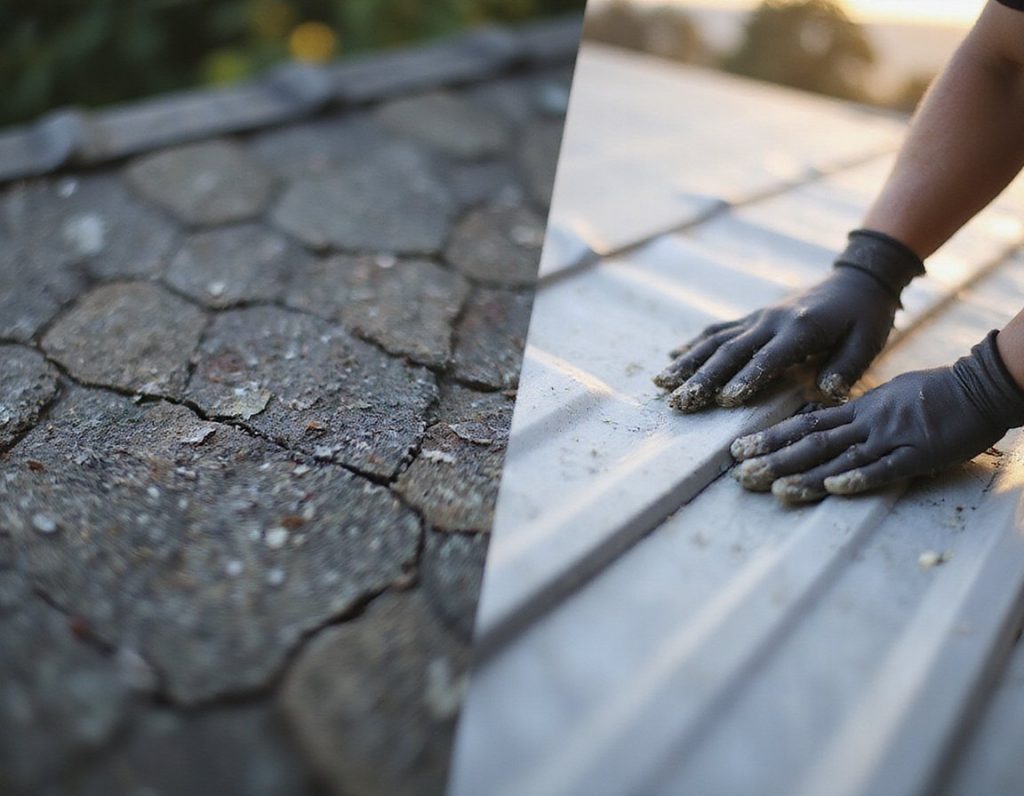
Your roofing material’s durability directly impacts its maintenance needs, and you’ll find significant differences between asphalt and metal. You’ll face maintenance challenges with asphalt, including higher repair frequency and cleaning requirements. Metal roofs offer better weather resistance, reducing long term upkeep and seasonal inspections.
| Category | Asphalt | Metal |
| Repair frequency | High | Low |
| Cleaning requirements | Regular | Minimal |
| Weather resistance | Low | High |
| Replacement costs | High | Low |
| Repairability issues | Common | Rare |
You’ll benefit from metal’s performance lifespan and exterior maintenance ease, saving you money on replacement costs and reducing repairability issues.
Environmental Impact: Asphalt And Metal Roofing
Because you’re choosing between asphalt and metal roofing, it’s essential to evaluate their environmental impact. You want to guarantee the material you pick aligns with your sustainability practices.
Asphalt roofing has a significant environmental footprint due to its non-renewable resources and low recycling potential. Metal roofing, on the other hand, is more eco-friendly.
Consider the following factors:
- Recycling potential
- Energy efficiency
- Environmental footprint.
Metal roofing can be recycled, reducing waste and supporting sustainability. While it may not be as energy-efficient as some materials, it has a lower environmental footprint than asphalt.
Energy Efficiency: Which Roofing Material Performs Better?
Energy efficiency is a key factor in determining which roofing material performs better. You’ll want to examine the energy efficiency ratings of asphalt and metal roofing.
Metal roofing generally has higher energy efficiency ratings due to its thermal performance. It can reflect solar rays, reducing heat gain in your home. This can lead to significant energy savings, especially in warmer climates.
In contrast, asphalt roofing tends to absorb heat, increasing your energy consumption. When evaluating energy efficiency, you should look at the overall thermal performance of each material.
Resale Value: How Roofing Choice Affects Your Home’s Worth
When it comes to resale value, the type of roofing you choose can greatly impact your home’s worth.
You’ll want to reflect on how your roofing decision affects potential buyers. Market trends show that certain roofing materials can increase your home’s resale value.
- Durability is key
- Aesthetics matter
- Low maintenance is a plus
You should choose a roofing material that checks these boxes to maximize your home’s resale value.
By doing so, you’ll be more likely to attract buyers and sell your home quickly.
Noise Concerns: Metal Roofs And Rain?
How loudly will raindrops hit your metal roof, and will it be a nuisance? You’re probably wondering if the rain sound will be overwhelming. It’s true, metal roofs can be noisy during rainfall.
However, you can take steps to minimize the noise. You’re looking for ways to reduce the sound, and there are insulation options available. Adding insulation can help absorb some of the noise, making it less noticeable.
You can also consider using a metal roof with a textured or matte finish, which can help reduce the rain sound. Additionally, proper installation can also play a role in minimizing noise.
Wind Resistance: Asphalt Shingles Vs. Metal Roofs
Noise reduction measures can make a metal roof a more appealing option, but you’re also concerned about its performance in harsh weather conditions.
You consider wind resistance a top priority, as wind uplift can damage your roof. Metal roofs generally perform better than asphalt shingles in high winds.
Key benefits of metal roofs include:
- Reduced maintenance frequency
- Improved insulation benefits
- Increased aesthetic appeal with various color options.
Proper installation techniques can minimize thermal expansion issues.
While metal roofs may have a higher upfront cost, they offer long term savings and noise reduction, aligning with many homeowner preferences.
You weigh these factors to make an informed decision about the best roofing option for your needs.
Local Building Codes: How They Impact Your Roofing Choice
As you consider the key benefits of metal roofs, you’re also looking at local building codes, which can greatly impact your roofing choice.
You need to verify your new roof complies with local building regulations, which vary by area. Compliance standards dictate the materials and installation methods allowed, affecting your decision between asphalt and metal roofing.
You must research and understand these codes to make an informed choice. Failure to comply can result in costly renovations or even removal of the roof.
It’s crucial to factor in the costs of meeting local building codes when comparing the costs of asphalt and metal roofing. By doing so, you’ll get a more accurate estimate of the total cost and make a decision that meets your needs and local requirements.
This will help you avoid potential issues down the line.
Diy Installation: Is It Possible With Asphalt Or Metal?
You’re considering installing a new roof yourself, so you’re weighing the DIY option for asphalt and metal roofing.
Metal roofing is often easier to install, and you’ll find it’s a more forgiving material if you’re new to roofing projects.
You’ll need to assess your skills and the complexity of the job to determine if you can handle the installation of either asphalt or metal roofing on your own.
Diy Option
While considering a roofing project, homeowners often wonder if they can install asphalt or metal roofing themselves.
You’ll need diy tools and installation tips to get started. Here are some key considerations:
- Measure your roof accurately
- Choose the right materials
- Follow safety guidelines.
With these basics covered, you can decide if a diy installation is feasible for you.
You’ll save on labor costs, but consider the time and effort required.
Metal Ease
Now that you’ve considered the basics of a DIY installation, it’s time to weigh the ease of installation for both asphalt and metal roofing.
You’ll find that metal roofing offers more ease of installation, as it comes in larger panels that cover more area. This reduces the number of seams, making it less prone to leaks.
Metal maintenance is also relatively easy, as it can be cleaned with simple soap and water.
In contrast, asphalt shingles require more individual placement, increasing labor time.
Professional Installation: What To Look For In A Contractor
How thoroughly a contractor vets their installers can greatly impact the quality of your asphalt or metal roofing installation.
You’ll want to check their contractor credentials and ask for contractor recommendations.
Consider the following when selecting a contractor:
- Installation timeline and project management
- Roofing warranties offered
- Safety protocols in place
You should verify a contractor’s ability to manage your project efficiently and effectively.
Look for a contractor with a solid understanding of safety protocols to guarantee a secure working environment.
Warranties And Guarantees: What’s Covered?
You’ve found a reliable contractor to install your asphalt or metal roof, and they’ve outlined a solid project plan.
Now, it’s time to review the warranty coverage and guarantee terms. Understand what’s covered and for how long. Check the replacement conditions and maintenance obligations to guarantee you’re aware of your responsibilities.
Typically, asphalt roofs have shorter warranty periods, while metal roofs offer longer coverage. Review the guarantee terms to see if they cover labor and materials.
Asphalt roofs have shorter warranties, while metal roofs offer longer coverage periods typically.
Make certain you understand what’s required to maintain the warranty, such as regular inspections and repairs. By knowing the details, you can make an informed decision and avoid potential issues down the line.
Carefully review the contract to ensure you’re protected in case something goes wrong, and you need to file a claim. This will help you get the most out of your roof’s warranty.
Insurance And Roofing: How Your Choice Affects Premiums
When selecting a roofing material, it’s essential that you consider how your choice will impact your insurance premiums, as asphalt and metal roofs can affect your rates differently.
You’ll want to understand the insurance implications of each option.
- Premium variations due to risk assessments
- Coverage options and claim processes
- Deductible impacts on long term savings
These factors can influence your policy benefits.
By choosing a metal roof, you may experience long term savings due to lower premium variations.
Insurance companies often view metal roofs as a safer choice, which can lead to better coverage options and a smoother claim process, ultimately affecting your policy benefits.
Conclusion: Choosing The Right Roofing Material For Your Home
Your decision on a roofing material affects more than just your insurance premiums – it impacts your home’s overall value and your wallet.
You’re choosing between asphalt and metal roofing, each with its pros and cons. Metal roofing offers a wide range of color options and insulation benefits, which can increase your home’s energy efficiency.
Metal roofing offers color options and insulation benefits, increasing energy efficiency.
It’s a more expensive option upfront, but it can last longer than asphalt. You should consider your budget, climate, and personal preferences when making a decision.
By weighing the costs and benefits, you can choose the right roofing material for your home. This decision will have a lasting impact on your home’s value and your finances, so it’s crucial to get it right.
You’ll be glad you took the time to research and compare your options.
Frequently Asked Questions
Can I Mix Asphalt and Metal Roofing Materials?
You can’t mix asphalt and metal roofing materials because they have different asphalt compatibility, affecting roofing durability, and it’s not recommended due to potential leaks and structural issues you’ll likely encounter.
Are Solar Panels Compatible With Metal Roofs?
You’ll find solar panels are compatible with metal roofs, offering a smooth solar panel installation process, highlighting metal roof benefits, including durability and energy efficiency, which you can easily leverage.
Do Metal Roofs Attract Lightning Strikes?
You shouldn’t worry, metal roofs don’t attract lightning strikes, it’s a common roof misconception, they’re actually safe, offering excellent lightning safety, and won’t increase your risk of lightning-related damage.
Can I Walk on a Metal Roof Safely?
You can walk on a metal roof safely if you use proper walking techniques, but it’s essential to follow metal roof safety guidelines to avoid slipping or falling.
Are Metal Roofs Suitable for Flat Roofs?
You’ll find metal roofs aren’t typically suitable, but they can be with proper metal roof installation, offering flat roof benefits like durability and weather resistance in certain situations.
Final Thoughts
When comparing asphalt vs. metal roofing, the right choice comes down to your priorities: asphalt typically offers a lower upfront cost, while metal can deliver longer lifespan, stronger durability, and lower maintenance over time. Factoring in long-term value—along with your home’s style, local weather, and budget—will help you choose a roofing system that protects your property and makes financial sense for years to come.
At Premiere Roofing Macomb, we help homeowners make confident decisions with honest guidance and clear options. If you’re deciding between asphalt shingles and metal roofing, start with a professional roof inspection, then let us outline the best path forward—whether that’s repairs or a full roof replacement. Ready to get pricing and recommendations for your home? Contact us today through our contact page.