

When choosing between fiberglass and organic shingles, consider their composition, durability, and cost. Fiberglass shingles are lighter, more durable, and last longer compared to organic ones. They handle harsh weather better and often have longer warranties. Organic shingles, made from recycled materials, are eco-friendlier but less durable. Think about your local climate and maintenance needs too. Keep exploring to find the best option for your home.
Key Takeaways
- Material Composition: Choose fiberglass shingles for lightweight durability or organic shingles for eco-friendliness and natural materials.
- Lifespan and Durability: Opt for fiberglass shingles for a longer lifespan (20-30 years) and better weather resistance.
- Installation Efficiency: Fiberglass shingles are easier and quicker to install, while organic shingles may require more structural support.
- Cost Analysis: Consider fiberglass shingles for better long-term value despite a higher upfront cost due to lower maintenance needs.
- Environmental Considerations: Evaluate recycling options and manufacturing impact; fiberglass shingles are often more sustainable in production and disposal.
What Are Fiberglass Shingles and How Do They Work?
Fiberglass shingles are a popular roofing option made from a fiberglass mat coated with asphalt and mineral granules. They offer several shingle benefits, like durability, lightweight construction, and resistance to fire and moisture.
Fiberglass shingles combine durability and lightweight construction, offering excellent fire and moisture resistance for reliable roofing solutions.
These features make them an excellent choice for homeowners looking for longevity and reliability.
When it comes to installation techniques, fiberglass shingles can be laid down quickly and efficiently, often requiring less labor compared to heavier materials.
You’ll typically start by ensuring your roof deck is clean and dry, then apply a starter strip to provide added protection.
As you work your way up, overlapping each shingle properly is essential to prevent leaks and maximize lifespan.
What Are Organic Shingles and How Do They Work?
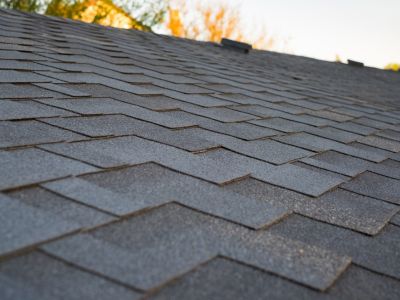
Organic shingles are made from a base of natural materials, primarily felt paper, which gives them a unique composition compared to fiberglass shingles.
They offer distinct performance and durability factors, making them a solid choice for certain climates.
Understanding these elements can help you decide if organic shingles fit your roofing needs.
Composition Of Organic Shingles
When you look at a roof covered in organic shingles, you’re seeing a popular choice made from a combination of asphalt and felt paper.
These shingles feature an organic material composition, typically using cellulose fibers derived from recycled paper or wood products. This eco-friendly aspect offers environmental benefits, making organic shingles a more sustainable option compared to some alternatives.
The cellulose fibers provide strength and flexibility, allowing these shingles to withstand various weather conditions. While they may not have the longevity of fiberglass shingles, their natural materials appeal to those seeking a greener roofing solution.
Understanding this composition helps you make an informed choice when deciding on roofing materials for your home.
Performance And Durability Factors
While considering roofing options, it’s essential to understand how organic shingles perform and their durability in various conditions. Organic shingles are known for their weather resistance, making them a popular choice in areas prone to severe weather. They typically feature a fiberglass mat coated in asphalt, which helps them withstand harsh elements like rain and wind.
However, their shingle lifespan can be shorter compared to fiberglass alternatives, especially in extreme climates. Organic shingles may degrade faster when exposed to constant moisture or intense sunlight.
Regular maintenance is key to maximizing their durability. By understanding these performance factors, you can make a more informed decision about whether organic shingles are the right fit for your roofing needs.
Key Differences Between Fiberglass and Organic Shingles
Understanding the key differences between fiberglass and organic shingles can help you make an informed decision for your roofing needs. Here’s what you should know:
- Material Composition: Fiberglass shingles contain a fiberglass mat, while organic shingles use a felt base made from recycled paper.
- Shingle Lifespan: Fiberglass shingles typically last longer, often up to 30 years, compared to organic options, which may only last 20 years.
- Weight: Organic shingles are heavier, which can affect installation and structural support.
- Fire Resistance: Fiberglass shingles are generally more fire-resistant than their organic counterparts.
- Installation Tips: Ascertain you follow proper installation techniques, as both types require different approaches for peak performance.
Cost Breakdown of Fiberglass vs. Organic Shingles
The cost of fiberglass and organic shingles can vary greatly, affecting your overall roofing budget. When you conduct a cost comparison, you’ll find fiberglass shingles typically range from $90 to $100 per square, while organic shingles can be slightly cheaper, averaging between $80 and $90 per square.
However, keep in mind that these prices often reflect only the materials, and you’ll need to factor in installation costs as well.
In your material analysis, consider that while fiberglass shingles might’ve a higher upfront cost, they often offer better long-term value due to their durability and energy efficiency.
Organic shingles, while initially less expensive, may require more maintenance and replacement over time, which could add to your overall expenditures.
How Do Durability and Lifespan Compare?
When choosing between fiberglass and organic shingles, understanding their durability and lifespan is essential.
You’ll want to take into account how each type holds up under various weather conditions and what that means for long-term performance.
Let’s explore how these factors stack up against each other.
Lifespan Comparison Overview
While both fiberglass and organic shingles serve as popular roofing options, their durability and lifespan can markedly differ. Understanding these differences can help you make an informed choice.
- Fiberglass shingles typically last 20-30 years.
- Organic shingles may last around 15-25 years, depending on care.
- Installation techniques for fiberglass generally enhance longevity.
- Maintenance schedules vary; fiberglass requires less frequent checks.
- Environmental factors can affect both types’ lifespans.
Choosing the right option involves considering not just the initial cost but also how long you want your roof to last.
Durability Under Various Conditions
Lifespan isn’t the only factor to evaluate; durability under various conditions plays a significant role in your roofing decision.
When considering fiberglass shingles, you’ll find they typically offer better storm resistance due to their reinforced structure. They stand up well against heavy winds and rain, making them a solid choice for areas prone to severe weather.
On the other hand, organic shingles can be less durable, especially if exposed to harsh conditions. Their UV stability is often lower, leading to quicker degradation from sun exposure.
If you live in a region with intense sunlight or frequent storms, fiberglass shingles may provide the longevity and reliability you need.
Ultimately, weighing these factors will help you make an informed choice.
Environmental Impact of Fiberglass vs. Organic Shingles
As you consider roofing options, the environmental impact of fiberglass and organic shingles plays a crucial role in your decision. Understanding their differences can help you choose a more sustainable option for your home.
- Fiberglass shingles often contain recycled materials, promoting better sustainability practices.
- Organic shingles are made from natural materials but may involve deforestation.
- Recycling options for fiberglass shingles are more widely available, reducing landfill waste.
- Organic shingles can degrade faster, allowing for easier disposal but may contribute to more frequent replacements.
- Manufacturing processes for fiberglass shingles generally produce fewer pollutants compared to organic alternatives.
Aesthetic Choices for Fiberglass vs. Organic Shingles
When choosing between fiberglass and organic shingles, you’ll find distinct aesthetic options that can influence your home’s look.
Fiberglass shingles generally offer a wider range of colors and textures, while organic shingles may provide unique designs that appeal to traditional styles.
Consider what best matches your vision and complements your home’s architecture.
Color Options Available
Choosing the right color for your shingles can greatly impact your home’s curb appeal. When deciding between fiberglass and organic shingles, consider current color trends and the shade variations they offer.
Here are some popular options to think about:
- Classic Gray: A timeless choice that suits various architectural styles.
- Rich Brown: Adds warmth and blends well with natural surroundings.
- Bold Black: Provides a modern look and highlights other design elements.
- Soft Green: Offers a revitalizing vibe and pairs well with lush landscaping.
- Vibrant Red: Makes a statement and adds character to your home.
Texture and Design Variety
Texture and design variety play an essential role in the aesthetic appeal of your roof. When choosing between fiberglass and organic shingles, you’ll notice that fiberglass options often feature modern patterns and sleek finishes. Their smooth surfaces can create a contemporary look, enhancing your home’s curb appeal.
On the other hand, organic shingles offer a more traditional feel, often showcasing rich color textures that evoke a timeless charm. Both materials provide a range of designs, from classic to cutting-edge, allowing you to match your roof to your personal style.
Ultimately, consider how each option complements your home’s architecture and your vision for its overall appearance. This decision can greatly impact your home’s visual appeal and resale value.
How to Install Fiberglass vs. Organic Shingles
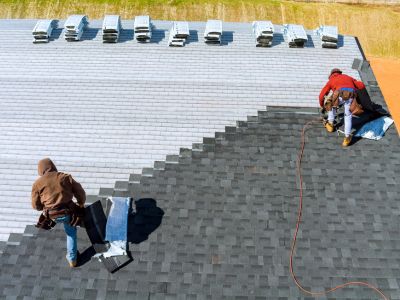
Installing fiberglass and organic shingles involves distinct techniques, but both can yield durable roofs if done correctly. Understanding the installation techniques and tool requirements is essential for a successful project.
Here’s a quick overview of what you’ll need:
- Safety Gear: Gloves, goggles, and a hard hat to protect yourself.
- Ladder: A sturdy ladder for safe access to your roof.
- Measuring Tools: A tape measure for accurate cuts and placements.
- Cutting Tools: A utility knife or shingle cutter for precise trimming.
- Fasteners: Nails or staples designed for the specific shingle type.
For fiberglass shingles, be certain to stagger your rows for better coverage.
For organic shingles, consider the weather conditions, as they can be more sensitive to moisture.
Following these guidelines will help guarantee a successful installation of your new roof.
Maintenance Needs for Each Shingle Type
After you’ve installed your shingles, it’s important to keep up with regular maintenance to guarantee longevity. Fiberglass shingles typically require less frequent maintenance than organic shingles. You’ll want to inspect them at least twice a year, checking for any signs of wear or damage. This can help you catch minor issues before they escalate, ultimately lowering your repair costs.
Regular maintenance of your shingles is crucial; inspect fiberglass shingles at least twice a year to catch minor issues early.
On the other hand, organic shingles may need more attention. They’re prone to algae growth and deterioration, so you should inspect them more often—around three to four times a year. Regular cleaning can prevent buildup, which can compromise their lifespan.
When budgeting, consider that while fiberglass shingles might have higher upfront costs, their lower maintenance frequency can save you money in the long run. Organic shingles may seem cheaper initially, but higher maintenance and repair costs can add up quickly.
Choose wisely to fit your lifestyle and budget!
Weather Performance of Fiberglass vs. Organic Shingles
When considering the weather performance of fiberglass and organic shingles, you’ll find that fiberglass shingles often stand up better to harsh conditions. Their composition provides superior weather resistance, making them a popular choice for homeowners in storm-prone areas.
Here are some key advantages of fiberglass shingles:
- Enhanced storm durability: They withstand high winds and heavy rain better than organic options.
- Less prone to warping: Fiberglass shingles maintain their shape under extreme temperatures.
- Resistant to mold and algae: This helps extend their lifespan in humid climates.
- Fire resistance: Many fiberglass shingles have a higher fire rating, offering additional safety.
- Lightweight: They’re easier to install, reducing labor costs during installation.
Warranties and Guarantees: What to Know?
Understanding the differences in warranties and guarantees can greatly impact your decision between fiberglass and organic shingles. Both types offer various warranty types, but it’s essential to know what each covers.
Fiberglass shingles often come with longer warranties, sometimes up to 50 years, while organic shingles might’ve shorter terms, typically around 20 to 30 years.
Pay close attention to coverage details. Some warranties cover only manufacturing defects, while others may extend to labor costs for installation.
Additionally, check for prorated vs. non-prorated warranties; non-prorated warranties provide full coverage for a more extended period, making them more favorable.
You should also consider the reputation of the manufacturer. A reliable company is more likely to honor its warranty.
Understanding these factors helps guarantee you choose the right shingles for your home, giving you peace of mind for years to come.
Which Type Is Better for Your Local Climate?
Choosing the right shingles for your local climate is essential, as it can greatly affect their performance and longevity. You’ll want to evaluate several climate considerations based on your region.
Selecting shingles that match your local climate is crucial for maximizing performance and durability.
Fiberglass shingles tend to perform well in extreme heat, while organic shingles might be better suited for cooler, wetter climates. Here are some factors to keep in mind:
- Temperature extremes: Fiberglass resists warping better in high heat.
- Humidity levels: Organic shingles can absorb moisture, making them ideal for humid regions.
- Wind resistance: Fiberglass shingles often have better wind ratings for storm-prone areas.
- Snow and ice: Choose organic for better insulation in colder climates.
- UV exposure: Fiberglass shingles offer improved UV resistance, ideal for sunny locales.
Making the Final Decision: Fiberglass vs. Organic Shingles
After considering how climate influences shingle performance, it’s time to weigh the benefits of fiberglass and organic shingles. Each type has its strengths, so let’s break them down.
| Feature | Fiberglass Shingles | Organic Shingles |
| Shingle Longevity | Typically lasts 30+ years | Generally lasts 20 years |
| Installation Techniques | Easier to install | Requires more skill |
| Weather Resistance | Better in extreme weather | May degrade faster |
When making your decision, think about your local climate and how each shingle type will perform. Fiberglass shingles offer impressive longevity and are easier to install, which might save you time and money. On the other hand, organic shingles can provide a traditional look but may not withstand harsh conditions as well. Ultimately, consider your priorities and choose the option that best fits your needs.
Frequently Asked Questions
Can I Mix Fiberglass and Organic Shingles on My Roof?
You shouldn’t mix fiberglass and organic shingles on your roof. Their differing properties can lead to shingle compatibility issues, affecting durability and performance. Stick to one type of roofing material for best results and longevity.
How Do I Know if My Roof Needs Re-Shingling?
To know if your roof needs re-shingling, check for curling or missing shingles, granule loss, or leaks. Regular roof inspections can help assess shingle lifespan and identify potential issues before they worsen.
What Are Common Installation Mistakes to Avoid?
To avoid common installation mistakes, guarantee proper shingle alignment and follow installation tips closely. Misalignment can lead to leaks and premature wear, so double-check your work and use the right tools for a successful project.
Are There Color Options Available for Both Shingle Types?
Yes, both shingle types offer various color options. You’ll find that color durability and aesthetic appeal vary, so choose shades that enhance your home’s style while ensuring long-lasting vibrancy against the elements.
How Do Shingles Affect Home Insurance Rates?
Shingles can impact your home insurance rates considerably. Insurance factors, like durability and fire resistance, influence premiums. Coverage differences arise between materials, so choosing wisely can save you money on your policy in the long run.
Final Thoughts
Choosing between fiberglass and organic shingles comes down to balancing durability, budget, and how your roof needs to perform in Michigan conditions. Fiberglass shingles are typically lighter, more weather-resistant, and longer-lasting, making them a strong choice for homeowners who want dependable performance with less maintenance. Organic shingles can appeal to homeowners who prefer a more traditional, recycled-material base, but they generally don’t match fiberglass for long-term durability—especially in harsh seasonal swings.
At Premiere Roofing Macomb, we help you choose the right shingle system based on your home, your goals, and your budget—then install it the right way for lasting protection. If you’re unsure which shingle type is best for your roof, start with a professional roof inspection and we’ll provide clear recommendations. Learn more about our asphalt shingle roofing options and full roofing services, then reach out through our contact page to request pricing and schedule your next step.