
Extreme temperatures, heavy rain, intense sunlight, and coastal humidity can greatly shorten an asphalt roof’s lifespan. Freeze-thaw cycles cause cracks and leaks, while high winds and hail damage shingles. Proper ventilation, maintenance, and protective coatings are essential for mitigating these issues. To learn more about safeguarding your asphalt roof against the elements, read on.
Key Takeaways
- Extreme temperatures cause asphalt to expand and contract, leading to cracks and brittleness, reducing roof longevity.
- Heavy rainfall can compromise roof integrity, while accumulated debris obstructs drainage and causes water pooling, accelerating roof deterioration.
- Intense sunlight degrades asphalt materials, causing premature aging, color fading, and granule loss, which diminish roof durability.
- High wind speeds can cause shingle loss, but proper ventilation and additional fasteners can enhance roof resilience against wind damage.
- Coastal environments with humidity and salt exposure accelerate asphalt roof deterioration, requiring specialized shingles and regular inspections to maintain longevity.
The Impact of Extreme Temperatures
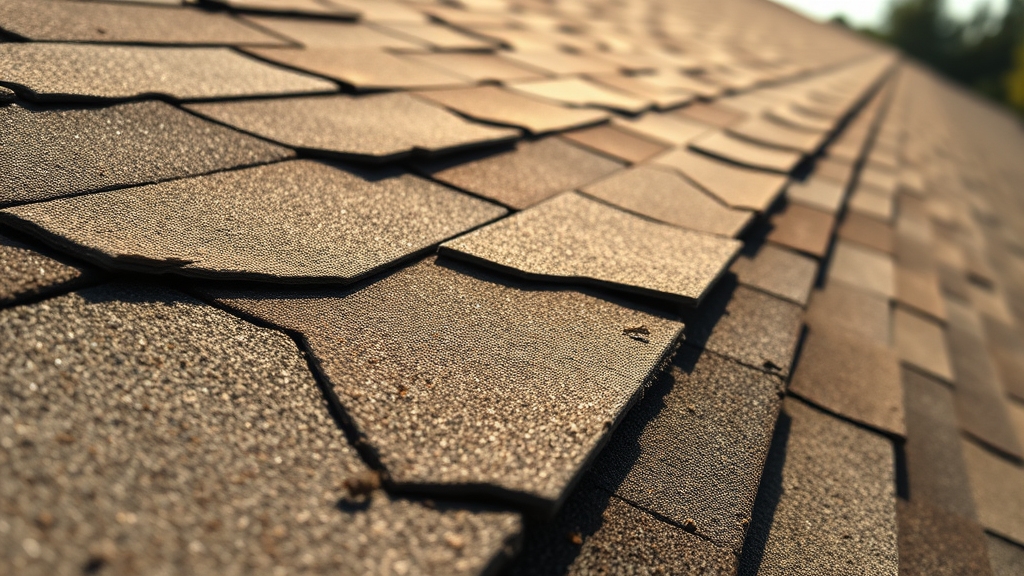
While extreme temperatures can have a significant impact on the longevity of your asphalt roof, understanding the effects can help you better maintain and protect your investment.
Rapid temperature fluctuations can cause the asphalt to expand and contract, leading to cracks and brittleness over time. This compromises the roof’s thermal insulation, making your home less energy-efficient.
Rapid temperature changes cause asphalt to expand and contract, cracking the roof over time and compromising its insulation.
Prolonged exposure to intense heat can also accelerate the aging process, causing the asphalt to become more vulnerable to damage. Conversely, extreme cold can make the asphalt shingles brittle and susceptible to cracking or breaking.
To mitigate these issues, consider installing reflective coatings or ventilation systems that regulate temperature fluctuations, ensuring your asphalt roof maintains its integrity and longevity.
The Challenges of Heavy Rainfall
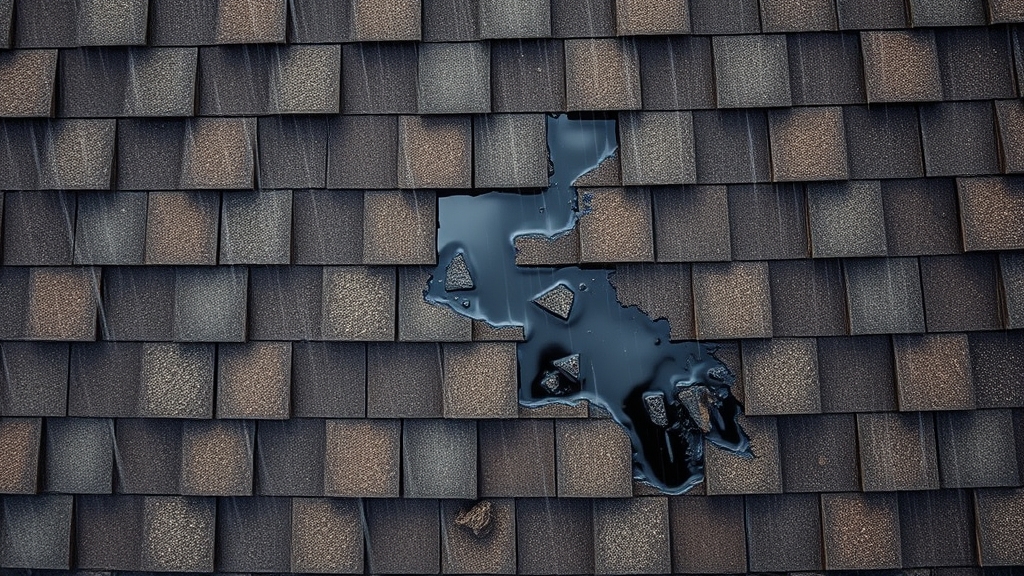
Heavy rainfall can pose a significant challenge for asphalt roofs.
Excess water accumulation can lead to leaks, compromising the roof’s integrity and putting your home at risk.
You’ll need to address these issues promptly to maintain your asphalt roof’s longevity.
Excess Water Accumulation
Excessive rainfall can pose a significant challenge to the longevity of asphalt roofs. When water accumulates, it can lead to a host of issues that compromise the roof’s integrity.
Some key concerns include:
- Structural Damage: Prolonged water exposure can weaken the roof’s underlying structure, leading to sagging, cracks, and even collapse.
- Mold and Mildew Growth: Standing water creates an ideal environment for mold and mildew, which can deteriorate the asphalt and insulation.
- Increased Leaks: Water pooling can penetrate the roof’s surface, resulting in leaks that allow further water infiltration.
- Accelerated Aging: Excessive moisture can cause the asphalt shingles to deteriorate faster, shortening the roof’s lifespan.
Addressing drainage solutions and preventing water pooling are vital to mitigating these challenges and maintaining the longevity of your asphalt roof.
Increased Leakage Risk
When heavy rainfall occurs, it can considerably increase the risk of leaks in your asphalt roof. Excessive moisture can seep through cracks, compromising the roof’s integrity and leading to costly repairs. Identifying and addressing these leaks promptly is essential to maintaining your roof’s longevity. Consider employing reliable leak detection techniques and applying effective repair methods to mitigate the impact of heavy rainfall. Act quickly to prevent further damage and guarantee your asphalt roof remains a reliable shelter.
| Leak Detection Techniques | Repair Techniques |
| Visual Inspection | Sealant Application |
| Moisture Meter Testing | Roof Coating |
| Infrared Thermography | Patch Repairs |
| Dye Testing | Membrane Replacement |
The Effects of Intense Sunlight
Intense sunlight can wreak havoc on your asphalt roof.
Ultraviolet radiation can degrade the materials, causing premature aging and brittleness.
Additionally, thermal expansion and contraction due to temperature fluctuations can lead to cracking and splitting over time.
Ultraviolet Radiation Damage
The sun’s ultraviolet (UV) rays can take a toll on your asphalt roof, gradually breaking down the materials over time.
This UV exposure can lead to:
- Color fading: The pigments in your asphalt shingles can fade, causing the roof to lose its vibrant hue and appear dull.
- Granule loss: The protective granules on the shingles can become dislodged, exposing the underlying asphalt and reducing the roof’s durability.
- Cracking and brittleness: The UV radiation can cause the asphalt to become more brittle, leading to cracks and a higher risk of leaks.
- Accelerated aging: The cumulative effects of UV exposure can shorten the overall lifespan of your asphalt roof.
Thermal Expansion Issues
Although the sun’s intense rays can cause significant damage to your asphalt roof over time, the thermal expansion and contraction of the shingles due to fluctuating temperatures is another crucial factor that affects their longevity. As the roof heats up during the day, the shingles expand, and when it cools at night, they contract. This thermal cycling puts stress on the shingles, leading to material fatigue and degradation over time. The table below illustrates how temperature changes can impact your asphalt roof’s lifespan:
| Temperature Range | Impact on Shingles |
| Daytime: 80-100°F | Moderate expansion |
| Nighttime: 40-60°F | Moderate contraction |
| Extreme: 120°F+ | Excessive expansion |
| Freezing: 32°F- | Excessive contraction |
Dealing With Freeze-Thaw Cycles
As temperatures fluctuate during the winter, your asphalt roof may face the challenge of freeze-thaw cycles. This repeated freezing and thawing can cause significant damage to your roofing system:
- Freeze damage can lead to cracking, splitting, or even complete degradation of the asphalt shingles.
- Thaw effects can allow water to seep into cracks and openings, leading to leaks and further deterioration.
- Expansion and contraction of the roofing materials can cause them to become brittle and lose their protective properties.
- Accumulated ice and snow can add substantial weight, putting stress on the roof structure and potentially leading to collapse.
Proper maintenance and proactive measures are essential to mitigate the effects of freeze-thaw cycles and extend the longevity of your asphalt roof.
Mitigating Wind Damage
Blustery winds pose another serious threat to the longevity of your asphalt roof. Roofs with poor wind resistance are prone to shingle loss, lifting, and even complete failure. Proper roof maintenance is essential to mitigate wind damage.
| Wind Speed | Shingle Damage |
| 70 mph | Minor lifting |
| 90 mph | Considerable shingle loss |
| 110 mph | Catastrophic failure |
Secure your shingles with high-quality sealants and guarantee proper attic ventilation to minimize wind uplift. Regularly inspect your roof for any loose or missing shingles and address issues promptly. Consider reinforcing vulnerable areas with additional fasteners or installing impact-resistant shingles. Proactive maintenance can greatly extend the lifespan of your asphalt roof in windy conditions.
Protecting Against Hail Storms
Hail storms pose another significant threat to the longevity of your asphalt roof. Protecting your home from hail damage requires a proactive approach.
Here are four key steps to safeguard your roof:
- Install hail-resistant materials: Choose asphalt shingles that are rated for hail resistance, as they can withstand the impact of hailstones without cracking or denting.
- Inspect and maintain your roof: Regularly inspect your roof for any existing damage and address issues promptly to prevent further deterioration.
- Trim overhanging trees: Prune branches that could potentially fall on your roof during a hail storm, reducing the risk of punctures or dents.
- Develop a storm preparation plan: Have a plan in place to secure loose objects, clear gutters, and inspect your roof after a hail event to address any immediate concerns.
Addressing Condensation and Moisture Issues
Moisture and condensation can also significantly impact the longevity of your asphalt roof. Proper condensation control and moisture management are essential to prevent issues like mold, mildew, and wood rot.
Guarantee adequate ventilation in your attic to reduce moisture buildup. Use high-quality vapor barriers and insulation to minimize condensation.
Regularly inspect for signs of moisture, such as water stains or dampness, and address any issues promptly. Neglecting condensation and moisture problems can lead to premature roof deterioration, compromising its performance and lifespan.
Maintaining Asphalt Roof Performance in Coastal Environments
Coastal regions pose unique challenges for maintaining the integrity and longevity of asphalt roofs. The combination of coastal humidity and salt exposure can accelerate the deterioration of your asphalt shingles.
To guarantee your roof’s performance in these environments, you should:
- Opt for asphalt shingles specifically designed for coastal areas, with increased resistance to moisture and salt.
- Ensure proper ventilation to mitigate the effects of coastal humidity and prevent the buildup of condensation.
- Schedule regular inspections and maintenance, addressing any signs of damage or deterioration promptly.
- Consider applying a protective coating or sealant to your asphalt roof, providing an additional layer of defense against the coastal elements.
Strategies for Extending Asphalt Roof Lifespan
While proper maintenance is essential, there are also proactive steps you can take to extend the lifespan of your asphalt roof.
Increasing your roof inspection frequency can help you identify and address issues early on, preventing costlier repairs down the line. Consider scheduling annual or bi-annual inspections to catch any signs of wear and tear, such as cracked or missing shingles, before they become more serious problems.
Additionally, you can protect your roof by properly clearing debris, such as leaves and branches, and ensuring proper ventilation to reduce the impact of weather exposure.
Frequently Asked Questions
How Can I Identify Signs of Asphalt Roof Deterioration?
Look for signs of deterioration like curling, cracking, or blistering shingles. Check for moisture damage like algae growth, darkened areas, or sagging. If you spot these indicators, it’s time to have your asphalt roof inspected for potential replacements.
What Roof Maintenance Tasks Should I Perform Annually?
Conduct an annual roof inspection and gutter maintenance to identify any issues early. Clean gutters, check for cracked or missing shingles, and address these problems promptly to extend your asphalt roof’s lifespan.
How Do I Properly Clean and Maintain Asphalt Shingles?
Regularly clean your asphalt shingles by gently brushing away debris. Apply a mild detergent solution, then rinse thoroughly. Inspect for any damage and replace worn shingles promptly. Following these simple maintenance tips will help extend your roof’s lifespan.
What Are the Best Roofing Materials for My Climate?
For your climate, you should consider metal, tile, or slate roofing materials. These durable options can better withstand the weather conditions in your area and provide longer-lasting protection for your home.
Can I Install a New Asphalt Roof Over an Existing One?
You can install a new asphalt roof over an existing one, but there are cost factors and installation guidelines to take into account. This approach may be more affordable, but it’s vital to follow proper procedures to guarantee the roof’s integrity.
Final Thoughts
Weather plays a major role in how long your asphalt roof will last, and understanding those impacts is the first step toward protecting your home. From extreme heat and freeze-thaw cycles to heavy rainfall, wind, hail, and coastal humidity, every climate factor can weaken shingles over time. Proactive care—like proper ventilation, consistent inspections, and timely repairs—helps slow deterioration and keeps your roof performing at its best for years longer.
For expert guidance tailored to Michigan’s weather conditions, Premiere Roofing Macomb is here to help. Our experienced roofing contractors in Macomb, MI provide comprehensive roof inspections, weather-resistant material options, and reliable roof replacements designed to handle sun, storms, and seasonal temperature swings. Whether your asphalt roof needs maintenance, reinforcement, or a full upgrade, we deliver durable solutions that stand up to the elements.
Prepare your roof for every season—contact us today to schedule an inspection or request a free quote. Protect your home, extend your roof’s lifespan, and gain year-round peace of mind with Premiere Roofing Macomb.