

Regular roof maintenance prevents leaks, mold, and structural damage. Routine inspections, gutter cleaning, and timely sealing reduce lifetime costs and energy loss. Checking flashing, ventilation, and insulation preserves shingles and curbs ice dams. Seasonal attention after storms and at spring and fall changes catches small defects early. Proper drainage with sized gutters and well-placed downspouts protects foundations. Safe DIY debris clearing helps, but pros handle leaks and complex repairs. Maintenance records support warranties and insurance—there is more that strengthens outcomes.
Key Takeaways
- Preventive roof care reduces lifetime costs by catching small defects early and avoiding disruptive, expensive repairs.
- Regular inspections and gutter cleaning prevent water intrusion, mold growth, and structural damage.
- Proper flashing, sealants, and ventilation maintain roof integrity, energy efficiency, and material longevity.
- Seasonal checks address weather-specific risks like UV damage, ice dams, and storm impacts.
- Documented maintenance supports warranty compliance, budgeting, and planning for timely repairs.
Why Preventive Roof Care Pays Off
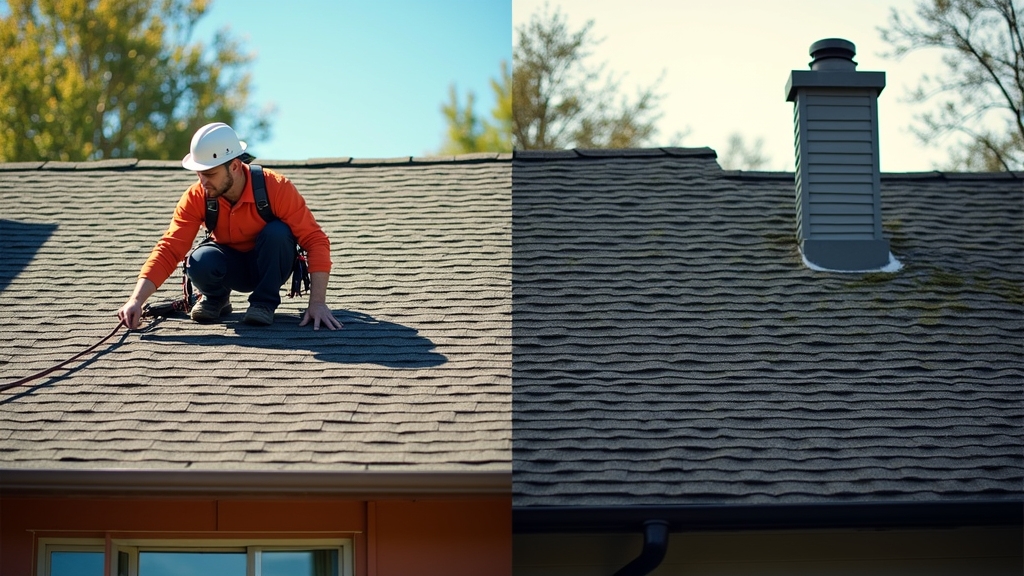
Although roofs seem static, preventive care demonstrably reduces lifetime costs and risks. A roof functions as a system; small vulnerabilities compound if left unattended. Regular inspections, cleaning gutters, sealing minor penetrations, and replacing worn flashing are preventive strategies that slow wear, stabilize performance, and extend service life.
By addressing issues early, owners avoid disruptive projects and optimize budgets. Documented maintenance schedules also support warranty compliance and simplify planning. Contractors can benchmark conditions, track materials aging, and calibrate service intervals to climate and roof type.
This leads to cost savings by minimizing emergency labor, material waste, and interior disruptions. Predictable upkeep also improves energy efficiency through intact insulation and dry assemblies. In practice, modest routine attention preserves structural integrity and sustains the roof’s designed value.
Key Risks of Neglecting Your Roof
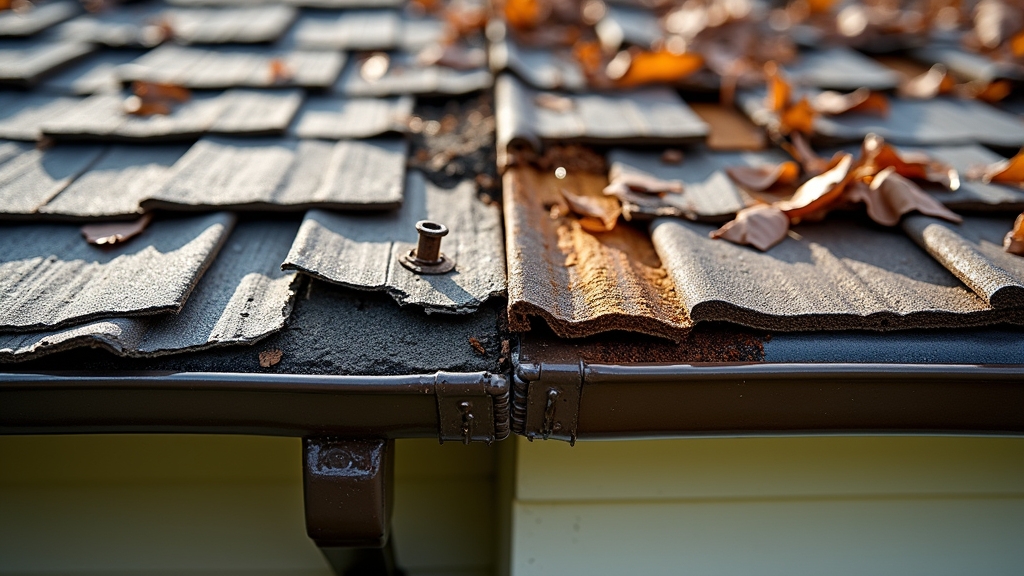
When roof upkeep is deferred, small defects escalate into costly failures. Ignored flashing, cracked shingles, and clogged gutters let water penetrate, turning minor roof leaks into widespread structural damage.
Trapped moisture fosters mold growth that compromises indoor air quality and accelerates decay. Gaps invite pest infestation, from insects to nesting rodents, further weakening materials.
Insulation saturated by leaks drives energy loss, raising utility bills while reducing comfort. Over time, these conditions create safety hazards, including slip risks, electrical issues, and potential collapse.
The cumulative effect diminishes property value and complicates insurance claims.
Deferred roof maintenance erodes property value and can entangle homeowners in complicated insurance claims
- Roof leaks expand hidden water intrusion
- Structural damage spreads from rafters to ceilings
- Mold growth endangers health and materials
- Energy loss increases monthly expenses
- Pest infestation elevates safety hazards and repairs
Seasonal Roof Maintenance Checklist

A seasonal roof maintenance checklist begins with spring inspection priorities, confirming drainage, flashing integrity, and early signs of shingle or sealant failure.
It then accounts for summer heat precautions, including monitoring UV-related shingle brittleness, attic ventilation, and fastener movement.
Finally, it addresses winter snow and ice, focusing on ice dam prevention, safe snow load management, and timely removal to protect edges and gutters.
Spring Inspection Priorities
Three quick priorities guide a spring roof inspection: assess winter damage, clear debris, and verify water control.
After snow and ice, shingles, flashing, and sealants may crack or lift. Gutters and downspouts often clog with leaves and grit, undermining drainage. A methodical approach keeps spring cleaning aligned with practical roof inspections, preventing small defects from becoming leaks.
- Inspect shingles for cracks, curling, or loss of granules; note any soft spots indicating rot.
- Check flashing at chimneys, skylights, and valleys for gaps, rust, or loose fasteners.
- Clear gutters and downspouts; confirm secure hangers and unobstructed flow at ground discharge.
- Trim back branches that rub surfaces or drop debris; remove moss carefully.
- Review attic for daylight at penetrations, damp insulation, or musty odors signaling moisture.
Summer Heat Precautions
Although summer brings clear skies, extreme heat accelerates roof wear and exposes weaknesses. High temperatures and UV exposure cause shingles to dry, curl, and lose granules, while sealants can soften and separate.
To mitigate heat stress, a prudent routine includes checking for blistering, brittle edges, and exposed fasteners, then addressing minor defects before they spread. Proper roof ventilation is critical; balanced intake and exhaust reduce attic temperatures, limit moisture, and prevent premature material failure.
Gutters should be cleared to maintain drainage during sudden storms, and nearby branches trimmed to minimize abrasive contact. Reflective coatings or light-colored coverings can lower surface temperatures when compatible with existing materials.
Finally, verify flashing around chimneys, vents, and skylights, ensuring tight seals that withstand expansion and contraction cycles common in peak heat.
Winter Snow and Ice
Winter brings weight, water, and temperature swings that test every roof system. In cold climates, managing snow load and ice damming becomes essential to prevent leaks, structural stress, and premature aging. A measured approach focuses on controlled snow removal, reliable drainage, and stable attic conditions.
Attention to ventilation, insulation, and flashing details reduces melt-refreeze cycles that drive ice ridges at eaves. After storms, prompt checks limit hidden moisture and sagging.
- Verify attic insulation depth to minimize heat loss that fuels ice damming.
- Maintain balanced soffit and ridge ventilation to steady roof deck temperatures.
- Use a roof rake from the ground to safely reduce snow load at eaves.
- Keep gutters and downspouts clear for meltwater flow.
- Inspect flashings, valleys, and penetrations after each thaw-freeze event.
Signs Your Roof Needs Attention Now
While a roof can endure years of weather, certain warning signs demand immediate attention to prevent costly damage. Curled or missing shingles indicate UV and wind wear; widespread granule loss reveals aging surfaces.
Dark stains or soft spots in the attic suggest moisture intrusion, often preceding mold or structural decay. Daylight visible through the roof deck signals gaps that invite leaks. Sagging lines point to compromised framing or saturated materials requiring prompt evaluation.
Persistent roof noises in calm conditions can mean loose fasteners or failing flashing. Interior paint bubbling or discolored ceilings often trace back to small breaches that expand quickly.
A timely roof inspection based on appropriate maintenance frequency helps confirm issues early, establish repair priorities, and extend service life while keeping unexpected expenses contained.
Gutters, Downspouts, and Drainage Essentials
Effective roof drainage starts with proper gutter sizing to match local rainfall and roof area.
Strategic downspout placement then directs water safely away from foundations and landscaping.
Finally, consistent maintenance prevents clogs and overflow that cause fascia damage, leaks, and erosion.
Proper Gutter Sizing
One key factor in roof maintenance is sizing gutters and downspouts to match a home’s rainfall intensity, roof area, and pitch. Proper sizing prevents overflow that can damage fascia, siding, and foundations.
A detached assessment favors calculating runoff using local 10-year storm data, then selecting gutter profiles and diameters that meet peak flow. Steeper roofs shed water faster, often requiring larger K-style or half-round gutters.
Quality gutter installation also includes adequate slope—about 1/16 to 1/8 inch per foot—to keep water moving. Regular gutter maintenance preserves capacity by removing debris that narrows flow paths and adds weight.
- Determine roof drainage area accurately
- Match gutter size to regional rainfall
- Select profiles suited to pitch and trim
- Set continuous, measurable gutter slope
- Protect with guards compatible with cleaning
Downspout Placement Best-Practices
Few roof maintenance choices influence water control as directly as where downspouts are placed. Effective downspout design directs runoff quickly, limits siding splash, and protects foundations. Best-practice placement begins at roof geometry: locate downspouts at inside corners, long eave runs, and valleys to capture concentrated flow. Space them to limit gutter travel distance; many professionals aim for one downspout every 30–40 linear feet, adjusted for roof area and rainfall intensity. For drainage optimization, route outlets away from slabs, piers, and planting beds using extensions or grading. Avoid obstructions, tight bends, and locations conflicting with walkways. Match outlet size to watershed and guarantee equal distribution across elevations to balance loads during storms.
| Principle | Practical Cue |
| Place at flow convergences | Inside corners/valleys |
| Limit run length | 30–40 ft intervals |
| Balance watersheds | Distribute outlets |
| Protect structures | Discharge away |
| Minimize bends | Direct, open paths |
Preventing Clogs and Overflow
With downspouts sited to capture and route flow, the next risk is blockage that forces water over gutter lips and back toward the structure. Preventing clogs and overflow depends on understanding clogging causes—leaf litter, granules from shingles, nesting debris, and misaligned hangers that trap silt.
Routine inspection, especially after storms, identifies early restrictions and enables simple overflow solutions before fascia, siding, or foundations are harmed. Slope correction and sealed seams keep water moving, while guards reduce intake of debris without impeding volume during peak rainfall.
Downspout terminations must discharge far from walls to avoid recirculating runoff.
- Inspect and clear gutters seasonally and after storms
- Verify proper gutter slope and hanger spacing
- Install quality guards matched to local debris
- Flush downspouts; add cleanouts and passes
- Extend outlets away from foundations
Flashing, Sealants, and Leak Prevention
Although shingles shed most water, long-term roof integrity often depends on properly installed flashing and compatible sealants at joints, penetrations, and changes.
Leaks often begin where planes meet—chimneys, skylights, vents, and valley shifts—so inspection focuses there. Durable flashing materials, such as galvanized steel, aluminum, and copper, must be sized and lapped to direct water outward, never into seams.
Step flashing should interlace with shingles; counterflashing should cover base flashing at masonry.
Sealant types matter: high-quality polyurethane or MS polymer adheres well and tolerates movement; silicone suits nonpainted, UV-exposed areas but may resist repainting; asphalt mastics serve short-term patching only.
Maintenance includes finding gaps, failed beads, corrosion, and loose fasteners, then cleaning, priming if required, and resealing.
Prompt correction prevents hidden sheathing decay and interior damage.
Ventilation and Insulation for Roof Health
Balanced attic airflow and proper R‑value insulation work together to regulate temperature and moisture, protecting roof materials.
Adequate intake and exhaust prevent heat buildup and condensation that can shorten shingle life.
Insulation sized to the climate reduces energy loss and minimizes ice dams, supporting overall roof health.
Balanced Attic Airflow
A well-breathed attic protects a roof from the inside out by pairing steady ventilation with effective insulation.
Balanced attic airflow keeps temperatures even, limits moisture, and reduces strain on shingles and fasteners. When intake and exhaust are sized to match, attic ventilation moves fresh air in at the eaves and releases warm, moist air at the ridge.
This airflow balance prevents ice dams in winter and heat buildup in summer, supporting longer roof life and stable indoor comfort.
- Verify clear soffit intakes; remove paint, debris, or insulation blocking vents.
- Match net free area of intake to exhaust for consistent flow.
- Use continuous ridge vents to exhaust without inviting rain or pests.
- Seal attic bypasses to reduce humid air entry.
- Inspect vents seasonally for damage or obstruction.
Proper R-Value Insulation
While ventilation moves air, the right insulation R-value controls heat flow that drives ice dams, condensation, and energy loss. Selecting a proper R-value aligns insulation thickness and type with climate, roof design, and local codes.
The R value benefits include steadier attic temperatures, reduced HVAC workload, quieter interiors, and longer shingle life by minimizing heat buildup.
Insulation materials vary in performance and installation method. Fiberglass batts are economical but require precise fit. Blown-in cellulose fills gaps well and improves air resistance. Spray foam delivers high R per inch and air sealing, yet demands professional application and moisture management.
In cold regions, higher R-values mitigate ice dams; in hot zones, they limit radiant heat. Pairing correct R-value with continuous air sealing and proper ventilation maximizes durability and energy savings.
Shingle, Tile, and Metal Roof Care Basics
Many homeowners face distinct maintenance needs depending on whether roofs are shingle, tile, or metal. Each roofing material behaves differently under sun, wind, and moisture, so routines should be tailored.
Shingle maintenance focuses on granule loss, lifted tabs, and sealed flashings. Tile durability depends on intact underlayment and prompt replacement of cracked tiles to prevent water intrusion. Metal roof care emphasizes fastener integrity, coating preservation, and debris control to avert corrosion.
Gentle cleaning methods and compatible sealants protect these roofing materials without voiding warranties.
- Inspect after storms for displaced shingles, cracked tiles, or loosened metal panels
- Clear valleys and gutters to reduce standing water and capillary action
- Document coating wear on metal and schedule re-coating as needed
- Replace failed sealant at penetrations with manufacturer-approved products
- Track attic ventilation to limit heat and moisture stresses
Safe DIY Tasks vs. When to Call a Pro
Although basic upkeep can be homeowner-friendly, a clear line exists between safe DIY roof tasks and work best left to licensed professionals. DIY Safety favors low-risk actions: clearing loose debris from the roof with a soft broom, unclogging gutters from a stable ladder, and visually checking shingles, flashing, and vents from ground level or a harnessed position. Anything involving height without proper fall protection, structural damage, electrical components, or penetrations should move to Professional Expertise.
| Relief | Risk |
| Clean gutters, fewer leaks | Slippery surfaces, sudden falls |
| Loose debris removed | Hidden rot underfoot |
| Quick visual checks | Wind gusts, ladder failure |
Professionals handle leak tracing, storm damage, sagging decks, chimney or skylight flashing, underlayment issues, and full shingle replacement. This boundary preserves warranties, safety, and long-term roof performance.
How Often to Schedule Professional Inspections
Knowing which tasks require a professional naturally raises the question of timing. Most roofs benefit from an annual visit by a qualified inspector, with semiannual checks recommended in harsh climates or on aging systems.
Schedule annual roof inspections; in harsh climates or aging systems, consider semiannual checks to stay ahead.
This inspection frequency helps catch minor defects—loose flashing, cracked sealant, clogged drains—before they escalate. The inspection benefits include extended roof life, reduced leak risk, validated warranties, and documented condition for future reference.
Inspections should also follow major storms or nearby construction that can dislodge materials.
- Schedule annually; consider every six months for older or weather-exposed roofs.
- Add a post-storm inspection after hail, heavy wind, or flying debris.
- Align visits with seasonal changes to spot weather-related wear.
- Use certified inspectors familiar with your roof type.
- Keep reports to track trends and prioritize fixes.
Budgeting and Planning a Maintenance Schedule
A practical roof maintenance plan starts with a simple budget framework that ties tasks to the roof’s age, material, and local climate. A detached approach sets clear maintenance frequency, assigns responsible parties, and staggers work across seasons to keep costs predictable. Budget allocation should prioritize high-risk items—flashing, drainage, sealants—while reserving a contingency for unexpected wear. Aligning small, recurring tasks with quarterly windows prevents backlog and reduces emergency calls.
| Interval | Task Focus | Budget Allocation |
| Monthly | Debris removal, visual checks | Low, recurring |
| Quarterly | Gutters, sealants, fasteners | Moderate, planned |
| Biannual | Flashing, penetrations | Moderate, preventive |
| Annual | Surface cleaning, minor repairs | Moderate-high |
| Multi-year | Coatings, partial replacements | Higher, scheduled |
A dated calendar, cost caps, and measurable checkpoints help maintain discipline without overspending.
Warranties, Insurance, and Documentation Tips
Few elements protect a roofing investment more than clear paperwork: warranties that define coverage and limits, insurance that manages risk, and organized records that prove maintenance diligence.
A careful reader verifies warranty coverage terms, exclusions, and transferability, then aligns maintenance practices to preserve eligibility. When damage occurs, timely photos, dates, and contractor reports support insurance claims and prevent disputes.
Strong documentation organization—digital folders with backups—keeps invoices, inspection notes, and maintenance records accessible for adjusters and manufacturers.
- Review warranty coverage annually and note required inspections or approved materials.
- Log maintenance records with timestamps, photos, and contractor credentials.
- Document storm events immediately to strengthen insurance claims evidence.
- Store contracts, permits, and correspondence in a unified, searchable archive.
- Confirm claim deadlines and notification steps with insurer and manufacturer.
Frequently Asked Questions
How Do Rooftop Solar Panels Affect Routine Roof Maintenance?
They complicate roof care by adding access and sealing considerations. With solar panel installation, technicians coordinate routine inspections, guarantee proper flashing, manage wiring clearances, and schedule cleaning. Detachment systems ease panel removal for repairs, while added shading can reduce membrane degradation and thermal cycling.
What Maintenance Is Required for Skylights and Rooftop Accessories?
Skylights and rooftop accessories require periodic skylight cleaning, accessory inspection, sealant checks, debris removal, and flashing verification. Technicians confirm glazing integrity, lubricate operable units, test drains and vents, and reseal as needed to prevent leaks, drafts, UV damage, and premature component failure.
Are Green Roofs Maintained Differently Than Conventional Roofs?
Yes. Green roof systems require distinct maintenance practices: vegetation care, irrigation checks, weeding, nutrient management, and drainage inspections. Conventional roofs emphasize membrane inspections, debris removal, and flashing repairs. Scheduling, seasonal tasks, and monitoring biodiversity differentiate ongoing needs and operational routines.
How Does Nearby Tree Species Choice Impact Roof Longevity?
Nearby tree species choice affects roof longevity by altering tree debris load, shade effects, moisture retention, and root or limb risks. Evergreen needles clog drains; broadleaf sap stains; dense canopies slow drying; resinous, brittle, or invasive species elevate abrasion and puncture hazards.
What Roof Maintenance Records Do Homebuyers Expect During a Sale?
Homebuyers expect dated roof inspection reports, warranties, and maintenance documentation showing repairs, cleaning, and leak remediation. They value contractor invoices, photos, material specifications, remaining service life estimates, and transferable warranties, confirming consistent care, code compliance, and insurance claim histories to reduce risk.
Final Thoughts
Regular roof maintenance pays for itself through longer roof life, fewer emergencies, and stronger home protection. By staying proactive with seasonal inspections, timely gutter cleaning, and small repairs, homeowners can prevent leaks, mold, and costly structural damage. Consistent attention to flashing and sealants, proper ventilation and insulation, and shingle care helps roofs perform efficiently year-round.
Safe DIY cleaning can handle debris removal and visual checks, but critical tasks—like leak tracing, storm damage, and roof replacements—require professional expertise. Scheduling regular visits from trusted roofing contractors in Macomb, MI ensures issues are caught early and warranties remain valid.
At Premiere Roofing Macomb, our experienced team provides comprehensive residential and commercial roofing services, from preventive maintenance to complete roof replacements. We’re committed to protecting your property, improving energy efficiency, and extending your roof’s lifespan with quality materials and expert workmanship.
If it’s been a while since your last inspection—or if you’ve noticed leaks, stains, or missing shingles—now’s the time to act. Contact Premiere Roofing Macomb today to schedule your roof inspection or request a free quote. Protect your investment, prevent costly damage, and enjoy peace of mind knowing your roof is in the hands of local experts who care.