
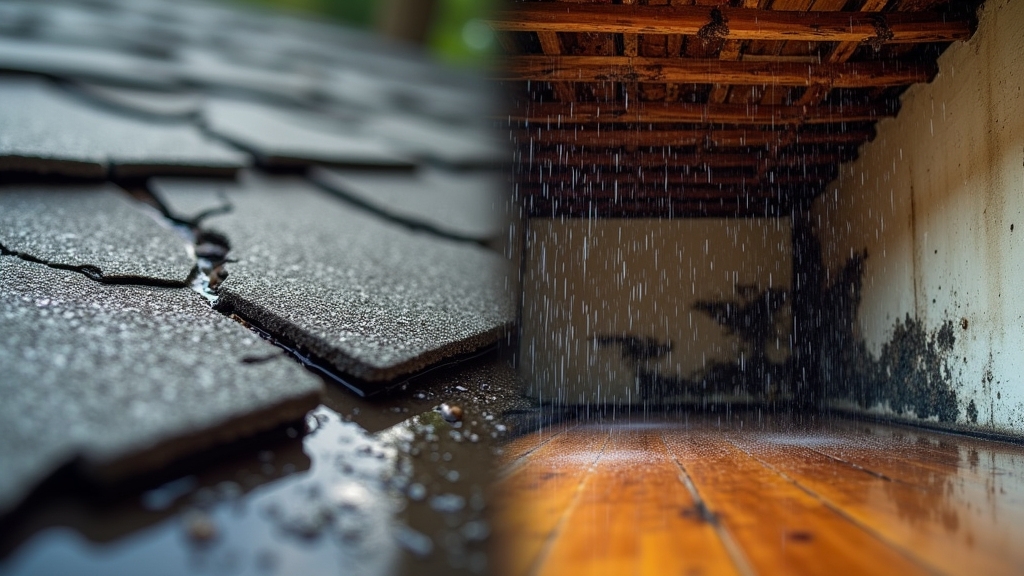
Small roof issues rarely stay small. Minor cracks and lifted shingles allow water intrusion, corrosion, and fatigue that spread beyond visible stains. Hidden leaks fuel mold, undermine insulation, and raise energy bills. Storms exploit weak spots, turning hairline gaps into costly failures. Deferred maintenance risks warranty and insurance denials and invites pests. Routine inspections, moisture checks, and prompt repairs preserve structure, curb appeal, and budgets. Addressing tiny defects now prevents emergencies later—and the next steps show exactly how.
Key Takeaways
- Small roof defects escalate quickly, turning inexpensive fixes into costly structural repairs.
- Hidden leaks spread laterally, fostering mold, poor air quality, and health risks.
- Minor gaps waste energy, disturb insulation, and raise utility bills while hurting home value.
- Deferred maintenance risks warranty voids, insurance claim denials, and preventable pest infestations.
- Routine inspections catch cracks and lifted shingles early, extending roof life and reducing surprises.
Small Issues Become Big Repairs
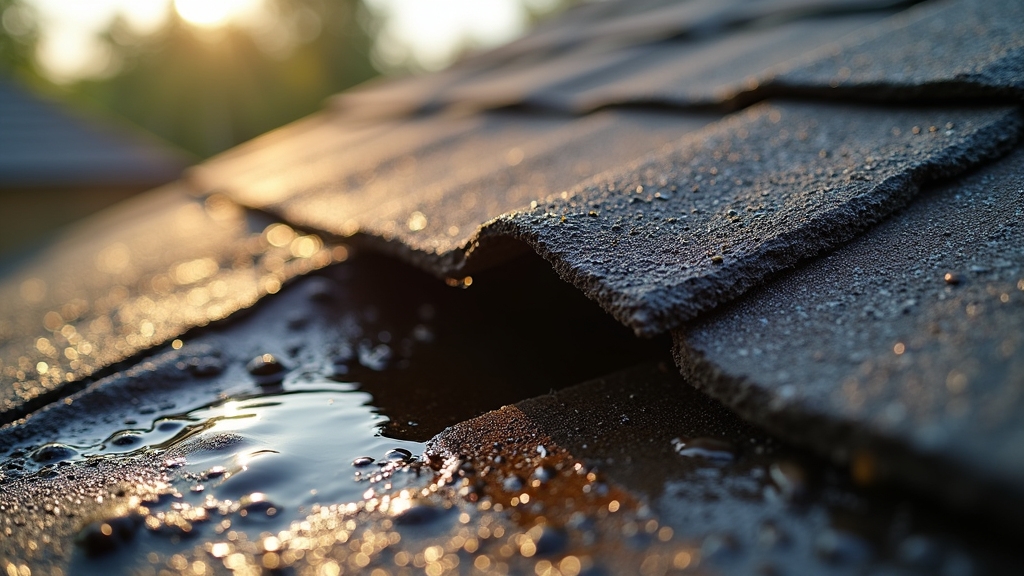
Though easy to overlook, minor roof defects often escalate into costly repairs when ignored. A lifted shingle, loose flashing, or cracked sealant may seem harmless, yet each creates a pathway for gradual deterioration.
In a detached assessment, the pattern is consistent: small breaches widen, fasteners corrode, and materials fatigue under routine weather cycles. Early detection curbs this trajectory by addressing issues before they spread across adjoining components.
Small breaches grow; corrosion and fatigue follow. Early detection halts spread across adjoining components.
Preventive maintenance—simple inspections, timely resealing, and securing edges—reduces stress on the system and extends service life. When tasks are delayed, localized fixes become structural replacements, and labor multiplies.
A measured schedule, guided by checklists and seasonal reviews, keeps risks visible. The cost difference between prompt corrections and deferred remediation is routinely significant.
Hidden Water Damage Adds Up Fast
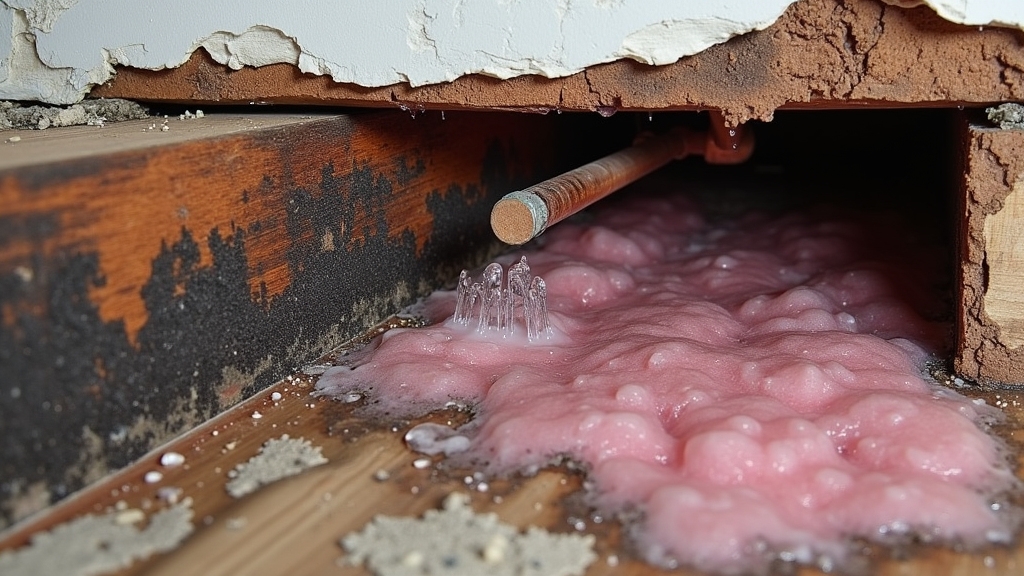
Prompt fixes prevent escalation, yet the most costly consequences often occur out of sight. Hidden leaks travel along rafters, insulation, and wall cavities, weakening materials long before stains appear.
Fasteners rust, sheathing delaminates, and drywall sags as repeat wetting erodes structural integrity. Electric components corrode, increasing repair scope. Because damage spreads laterally, the eventual repair area often exceeds the visible symptom by several feet.
Early verification matters. Moisture detection with meters, infrared scans, or targeted borescope checks identifies damp zones without tearing open finishes. When readings confirm intrusion, focused sealing, flashing correction, and replacement of saturated materials halt compounding costs.
Routine inspections after storms, especially around penetrations and valleys, reduce uncertainty. Acting on small indicators limits demolition, preserves framing, and keeps budgets predictable.
Mold and Mildew Threaten Indoor Air Quality
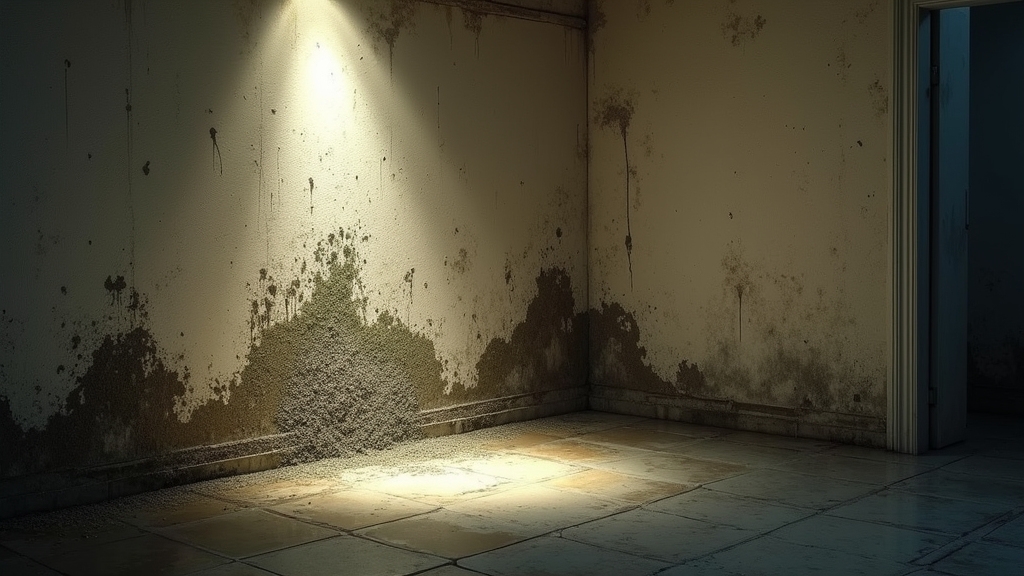
Hidden moisture buildup behind ceilings and walls creates a breeding ground for mold and mildew.
As spores spread, occupants face escalating health risks, including respiratory irritation and allergies.
This section outlines how minor roof leaks can trigger indoor air quality problems and what signs warrant prompt action.
Hidden Moisture Buildup
Even minor roof leaks can trap significant moisture within attic cavities and wall assemblies, creating a quiet breeding ground for mold and mildew.
Hidden moisture often migrates along rafters and insulation, escaping notice until stains or musty odors appear. In many homes, poor ventilation and temperature swings intensify condensation issues, allowing damp air to settle on cold surfaces and feed microbial growth.
Effective moisture detection begins with systematic observation: infrared scans to reveal cool, damp zones, pin and pinless meters to verify content in wood and drywall, and borescope checks inside enclosed voids.
Attention to flashing, penetrations, and underlayment gaps helps locate entry points. Corrective steps include sealing leaks, improving airflow, balancing insulation, and installing vapor barriers where appropriate to prevent recurring buildup.
Health Risks Escalate
As moisture lingers out of sight, mold and mildew release spores and microbial volatile organic compounds that degrade indoor air quality and strain respiratory health.
This hidden contamination often begins with minor roof leaks that wet insulation, sheathing, and drywall. Once damp, these materials become reservoirs that feed fungal growth and circulate irritants through HVAC systems.
The result is a clear escalation of health hazards. Individuals may experience respiratory issues such as coughing, wheezing, sinus irritation, and aggravated asthma. Those with allergies, children, and older adults face higher risk.
Prolonged exposure can also trigger headaches, fatigue, and eye or throat discomfort.
Timely roof inspection, moisture mapping, and targeted repairs disrupt the source. Drying wet assemblies and replacing contaminated materials restore cleaner, safer indoor air.
Energy Efficiency Takes a Hit
When minor roof defects persist, a home’s energy performance declines quickly. Small gaps, lifted shingles, and deteriorated flashing allow conditioned air to escape and outside air to intrude.
Insulation becomes less effective as moisture and airflow disturb its thermal resistance. As a result, heating and cooling systems cycle longer, driving up energy consumption and monthly costs.
Moisture and airflow weaken insulation, forcing longer HVAC cycles and inflating monthly energy costs.
Routine roof maintenance—sealing penetrations, replacing worn components, and clearing debris—helps restore stable indoor temperatures and reduces HVAC strain.
- Rising utility bills erode financial peace of mind.
- Drafts and hot spots make familiar rooms feel unwelcome.
- Constant system noise reminds occupants of wasted power.
- The thought of preventable loss sparks frustration.
Structural Integrity Is at Risk
Energy waste is only part of the problem; persistent minor roof defects also undermine the structure itself. Small leaks introduce moisture to decking and rafters, leading to rot, rust, and fastener corrosion. Over time, these changes reduce load-bearing capacity and compromise structural stability.
Trapped water adds weight, sagging develops, and seams separate under thermal movement. Even a few missing shingles can expose underlayment, accelerating decay during freeze-thaw cycles.
Timely roof maintenance interrupts this chain. Sealing penetrations, replacing damaged shingles, and clearing gutters keep water moving off the roof and away from framing.
Professional inspections identify soft spots, delamination, and early mold. Addressing these signals preserves alignment of trusses, prevents shear weakening at connections, and protects the building’s geometry, ensuring a safer, longer-lasting structure.
Warranty and Insurance Complications
Minor roof defects can carry outsized administrative consequences.
Homeowners face voided warranty risks if maintenance logs, approved materials, or contractor requirements are not met.
Insurers also apply strict claim denial triggers, including delayed reporting, unauthorized repairs, and evidence of neglect.
Voided Warranty Risks
Though a small leak or a few lifted shingles may seem inconsequential, such issues can trigger strict warranty exclusions and complicate insurance claims.
Manufacturers commonly set warranty limitations that require prompt maintenance, approved materials, and proper installation. When minor defects are ignored, documentation gaps arise, and evidence of neglect can void coverage.
Insurers may also cite insurance exclusions if deferred maintenance appears to be the cause of damage, leaving the owner to absorb full repair costs.
Routine inspections, detailed records, and timely fixes preserve eligibility and keep terms intact. By acting early, owners align with product specifications and policy obligations, avoiding expensive surprises and disputes.
- Anxiety over unexpected repair bills
- Frustration with technical fine print
- Regret for deferred maintenance
- Relief when compliance preserves coverage
Claim Denial Triggers
When roof problems are left unaddressed or improperly documented, both manufacturers and insurers gain clear grounds to deny claims. Adjusters look for missed maintenance, delayed repairs, and installation errors as common denial triggers. They also check whether the issue fits covered claim types, such as storm damage versus wear and tear. If the problem predates the event or results from neglect, coverage narrows quickly.
Denials often hinge on documentation requirements. Missing inspection records, incomplete photos, or absent repair invoices weaken causation and timelines. Insurers may question whether damage was sudden or gradual; manufacturers may cite noncompliant materials or unapproved modifications.
Clear logs of routine maintenance, prompt leak reports, and dated contractor assessments create defensible files. Timely action converts ambiguous evidence into verifiable proof, reducing denial risk.
Curb Appeal and Home Value Decline
Even small roof defects can quickly erode curb appeal and, by extension, perceived market value. Missing shingles, curling edges, and stained fascia signal deferred maintenance, undermining buyer confidence.
Appraisers and real estate agents often read roof condition as a proxy for overall care, so blemishes on top ripple through perceived quality below. Clean lines and consistent textures reinforce home aesthetics; visual interruptions do the opposite.
Minor repairs restore symmetry, color uniformity, and shadow lines that frame the structure, quietly lifting first impressions and offers.
- A wavering roofline can make a cared-for home appear tired and overlooked.
- Dark streaks evoke neglect, even when interiors are pristine.
- Peeling flashing invites worry about hidden costs.
- Quiet, well-kept shingles convey competence, stability, and pride.
Prior attention protects curb appeal and pricing power.
Storms Exploit Existing Weak Spots
Storms hit compromised roofs hard, turning minor cracks into larger fissures under wind and pressure.
As shingles lift and seals stress, pathways for water intrusion expand rapidly.
What begins as a small defect quickly accelerates into leaks that spread and worsen with each weather event.
Minor Cracks Magnify
Few roof problems escalate faster than small cracks under severe weather. When wind flexes decking and temperature swings expand materials, hairline fissures widen into pronounced splits. Granules loosen, sealants fracture, and fasteners shift, turning a manageable flaw into a spreading defect.
A routine visual inspection often reveals these early signs before they propagate across shingles, flashing, and ridgelines. Homeowners benefit from prompt minor repairs that stabilize vulnerable edges and resecure lifted components.
Waiting invites compounding stress cycles that shorten roof lifespan and boost future costs. A measured, stepwise approach—document, assess, and correct—keeps damage contained.
- Anxiety rises as a tiny mark becomes a visible scar
- Regret appears when a quick fix becomes a costly project
- Relief follows decisive, timely action
- Confidence grows with each careful visual inspection
Water Intrusion Accelerates
In many cases, a passing squall is enough to force water through the smallest roof vulnerabilities. Wind-driven rain exploits lifted shingles, aging sealant, and hairline flashing gaps, turning minor breaches into active pathways.
Once inside, moisture spreads laterally along underlayment and roof decks, bypassing obvious entry points and confounding quick inspections.
Acceleration occurs because each intrusion weakens materials: swelling wood, corroding fasteners, and degrading adhesives. Subsequent storms then meet a softer target, compounding water damage with every cycle.
Effective leak detection relies on tracing moisture migration, using thermal imaging, attic inspections, and dye tests to identify hidden channels before they expand.
Prompt sealing, flashing replacement, and ventilation corrections interrupt the cascade. Delay narrows options, shifting repairs from simple patches to structural remediation.
Pest Intrusions Start at the Roof
Often overlooked, the roof is the first gateway for pests seeking shelter and food. Small gaps at fascia boards, lifted shingles, and torn flashing invite rodents, insects, and birds.
Roofs often overlooked become gateways; tiny gaps invite rodents, insects, and birds seeking shelter and food.
From there, nests expand, wiring gets chewed, and insulation is contaminated. Clear, simple pest prevention strategies begin with sealing entry points and keeping branches trimmed back from the ridge and eaves.
Effective roof maintenance tips also include cleaning gutters, repairing vents with sturdy screens, and replacing cracked shingles promptly. When moisture and debris accumulate, pests find water, warmth, and nesting materials, compounding damage and costs.
- Anxiety rises with scratching in walls at night
- Frustration grows as droppings and odors persist
- Worry deepens when children’s rooms are affected
- Resentment builds with repeated repair bills
Routine Inspections Prevent Emergencies
Though a leak or pest issue may seem sudden, routine roof inspections reveal the small defects that cause emergencies long before they escalate. Observers note that cracks in flashing, lifted shingles, and clogged valleys rarely appear overnight. By setting an inspection frequency tied to season and climate, preventive maintenance becomes deliberate rather than reactive. Inspectors document patterns, compare photos, and track moisture readings, turning minor anomalies into actionable findings before storms exploit them.
| Sightline | What it Signals |
| Granule piles in gutters | Accelerated shingle wear |
| Rust at fasteners | Compromised waterproofing |
| Soft decking underfoot | Hidden moisture intrusion |
| Dark algae streaks | Prolonged dampness zones |
| Sunlit pinholes in attic | Vent or membrane gaps |
Consistent documentation, simple checklists, and timed follow-ups sustain reliability.
Cost-Effective Fixes Depend on Early Action
Because minor roof defects grow more complex and costly over time, timely intervention turns a $50 sealant job into avoided sheathing or drywall replacement.
Early action keeps moisture from migrating into underlayment, insulation, and framing, where secondary damage multiplies expenses. In practice, preventive maintenance and timely repairs reduce labor hours, prevent material waste, and preserve warranties that might otherwise be voided by neglect.
Addressing a lifted shingle, resealing flashing, or clearing clogged gutters typically costs little compared with structural remediation or interior restoration.
- Relief in preventing hidden leaks from becoming household chaos
- Confidence that prudent choices protect savings and stability
- Gratitude for a home that remains dry, quiet, and dependable
- Pride in responsible stewardship and smart budgeting
In short, small fixes now avert compounding failures, preserving value and safety.
Frequently Asked Questions
How Often Should I Clean Gutters to Prevent Roof Issues?
Gutters should be cleaned at least twice a year, more in leafy or storm-prone areas. Regular gutter maintenance supports roof cleanliness, prevents clogs, protects fascia, and allows early detection of damage, preserving drainage performance and extending roofing system life.
Which Roofing Materials Are Most Resilient to Small Damage?
Metal and slate ranks highest for resisting minor impacts, with metal roofing durability offering dent resistance and minimal cracking. Asphalt shingles resilience is moderate; laminated architectural types outperform three-tab. Clay and concrete tiles resist weathering but can chip under point loads.
Can DIY Sealants Void My Roof Warranty?
Yes, DIY sealants can void a roof warranty. Manufacturers often require approved products and licensed installers. Unauthorized repairs create warranty implications, including denied claims. Always review warranty terms, document materials, and consult the manufacturer or contractor before applying any DIY sealants.
What Signs Indicate I Need a Professional Roof Inspection?
Missing shingles, roof discoloration, recurring granules in gutters, sagging decking, and leaky roofs during storms signal a need for a professional roof inspection. Interior stains, moldy attic odors, flashing gaps, and persistent ice dams also warrant expert evaluation.
How Do Seasonal Temperature Swings Affect Roof Longevity?
Seasonal temperature swings shorten roof longevity by stressing materials through thermal expansion and contraction. Repeated cycles crack shingles, loosen fasteners, and degrade seals. Adequate roof insulation moderates temperature fluctuations, reducing moisture condensation, mitigating ice dams, and stabilizing the substrate to extend service life.
Final Thoughts
Even the smallest roofing issues can snowball into expensive, disruptive repairs if left unchecked. What starts as a loose shingle or faint ceiling stain can quickly evolve into structural rot, mold growth, or insulation failure. Acting early with timely maintenance, inspections, and minor repairs prevents those hidden costs—and preserves both your home’s value and your peace of mind.
For trusted, professional support, turn to Premiere Roofing Macomb—the local roofing contractors in Macomb, MI that homeowners count on for expert care and honest solutions. Whether you need a routine roof inspection, targeted repair, or complete roof replacement, our team delivers precision workmanship and durable protection using top-quality materials like asphalt shingles and metal roofing.
Don’t wait for a minor leak to turn into a major problem—contact Premiere Roofing Macomb today for a professional assessment or free estimate. Protect your investment, safeguard your home, and enjoy lasting confidence in your roof’s performance.