

Roof leaks commonly arise from damaged or missing shingles, failed flashing at chimneys, vents, and skylights, clogged gutters, and poor attic insulation or ventilation. Weather intensifies problems: wind uplift, wind-driven rain, freeze-thaw cracking, and prolonged humidity. Warning signs include ceiling stains, musty odors, damp attic insulation, and darkened rafters. Prevention relies on biannual inspections, seasonal cleaning, clearing gutters, trimming branches, and prompt minor repairs to seal fasteners and joints. Balanced attic airflow and timely fixes greatly reduce risk, and the next sections explain how.
Key Takeaways
- Damaged shingles and aging materials (curling, cracking, missing, granule loss) create pathways for water; replace compromised shingles promptly.
- Flashing failures at chimneys, skylights, and valleys let wind-driven rain in; inspect after storms and reseal or replace faulty flashing.
- Poor attic insulation and ventilation cause condensation on the roof deck; ensure balanced intake/exhaust and adequate insulation to prevent moisture buildup.
- Weather stressors—heavy rain, high winds, freeze-thaw, and coastal salt—degrade roofs; schedule biannual inspections and post-storm checks to catch issues early.
- Clogged gutters and debris in valleys overflow water into the roof system; seasonally clean and flush gutters and trim overhanging branches.
Common Signs You’Re Dealing With a Roof Leak
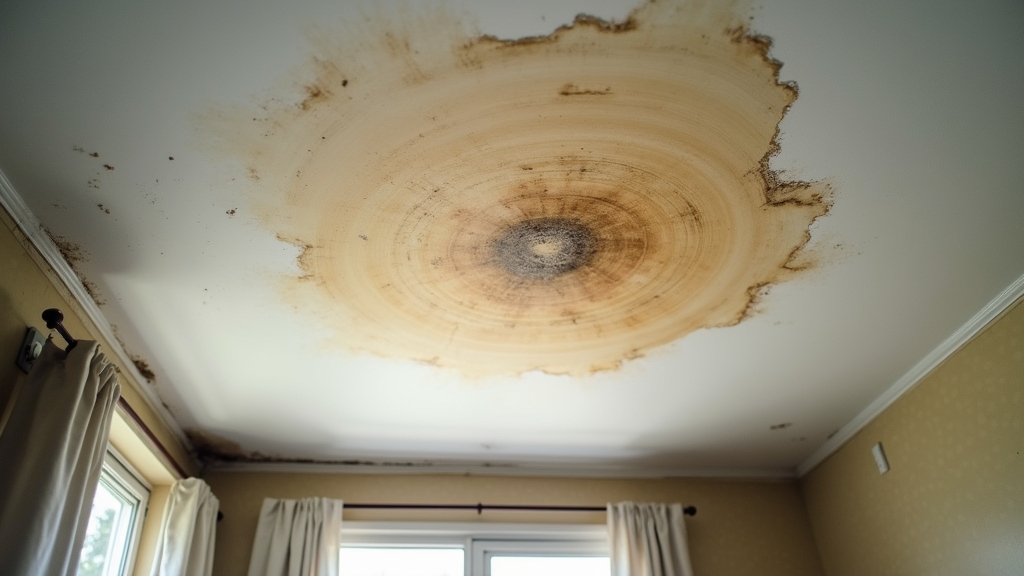
How can a homeowner tell a minor drip from a looming roof failure? Clear indicators often start indoors: discolored ceiling spots, peeling paint near corners, and musty odors suggest hidden dampness. Stains that grow after rain signal active penetration.
In attic spaces, damp insulation, darkened rafters, or visible water trails aid leak detection. During a moisture assessment, consistent readings in suspect areas confirm ongoing intrusion rather than old, dried damage.
Outside, cracked or missing shingles, lifted flashing around chimneys or vents, and clogged gutters point to pathways for water. Granule loss collecting in gutters hints at aging shingles. Daylight visible through roof boards is a red flag.
Prompt documentation, photographs, and targeted inspection help prioritize repairs before structural materials swell, rot, or foster mold.
Weather-Related Stressors That Trigger Leaks
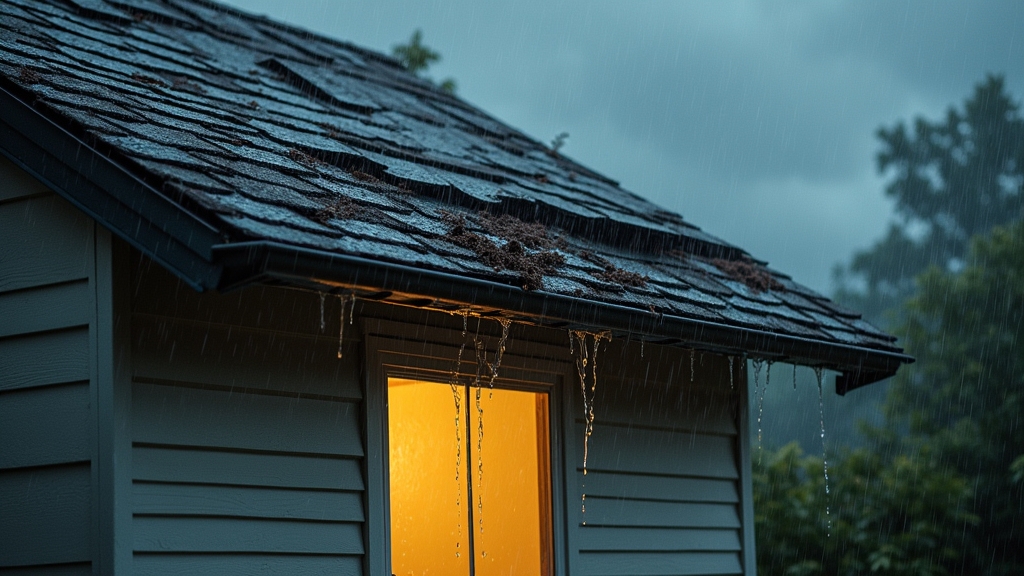
Recognizing early signs indoors and on the roof is only part of prevention; understanding what weather accelerates damage explains why leaks start and worsen. Heavy rainfall exploits weak flashing, clogged gutters, and shallow roof pitches, forcing water beneath coverings and into seams. Freeze-thaw cycles open microcracks in sealants, while rapid temperature swings fatigue metal flashing. Prolonged humidity encourages underlayment decay. Wind damage lifts edges, breaks seals, and drives rain laterally under overlaps. Hail bruises surfaces and dents flashing, creating capillary paths. Coastal storms add salt-laden moisture that corrodes fasteners and accessories.
| Weather trigger | How it initiates leaks |
| Heavy rainfall | Hydrostatic pressure forces intrusion at penetrations |
| High winds | Uplift, lateral rain drive, seal failure |
| Freeze-thaw | Expands cracks, separates joints and sealants |
Shingle Wear, Damage, and Missing Materials

Shingle condition is a primary indicator of leak risk because the roof’s top layer is the first barrier against water. When shingles curl, crack, lose granules, or go missing, pathways open for wind-driven rain to penetrate underlayment and sheathing. Aging reduces shingle lifespan, and ultraviolet exposure accelerates brittleness, making tabs prone to tearing.
Foot traffic, hail, and improper nailing also create weaknesses, while algae and debris hold moisture that degrades surfaces.
Prevention relies on matching maintenance frequency to climate and roof age. Seasonal inspections identify lifted edges, exposed nails, and soft spots. Promptly replacing damaged or missing shingles preserves waterproofing and prevents cascading failures.
Clearing leaves, improving attic ventilation, and ensuring correct shingle overlap extend service life and stabilize performance between full reroof cycles.
Flashing Failures Around Chimneys, Vents, and Skylights
Beyond surface wear, many leaks originate at intersections where roofing meets vertical structures. Flashing around chimneys, vents, and skylights is intended to bridge these junctions, but failures occur when components are poorly fitted, corroded, or displaced.
Inadequate flashing installation often leaves gaps where wind-driven rain intrudes. Thermal movement can loosen fasteners and crack sealants, while debris and UV exposure accelerate deterioration.
Prevention relies on proper design and disciplined execution. Step flashing should interlace with shingles, counterflashing should be reglet-cut into masonry, and vent boots must fit snugly. Quality metals and UV-resistant membranes extend service life.
Reliable sealing techniques include compatible sealants applied sparingly, correct lap sequencing, and secure mechanical fastening. Routine inspections after severe weather identify lifted edges, pinholes, and failed sealant beads.
Gutters, Downspouts, and Ice Dams
Although often treated as ancillary hardware, gutters and downspouts are primary defenses against roof-edge leaks and ice dams. When these channels clog or pitch incorrectly, water overflows, wets fascia and sheathing, and infiltrates at eaves.
Consistent gutter maintenance—clearing debris, sealing seams, and verifying slope—keeps runoff moving. Equally, downspout installation must guarantee adequate capacity, secure fastening, and extensions that discharge water well away from the foundation to prevent backflow that can reach roof edges.
In snowy climates, ice dams often start with meltwater refreezing near cold eaves while liquid continues to flow from warmer roof sections. Clean, free-draining gutters and unobstructed downspouts reduce standing water that fuels refreezing.
Adding gutter guards that shed debris, heat cables along eaves, and correctly sized outlets further limits overflow and ice buildup.
Attic Insulation and Ventilation Issues
Attic conditions can quietly set up leaks by allowing heat to escape through poor insulation, melting snow unevenly and triggering ice damming.
Inadequate attic airflow traps moisture and heat, promoting condensation that wets sheathing and weakens roofing materials.
Addressing both insulation performance and ventilation balance is essential to reduce these leak pathways.
Poor Insulation Effects
When insulation and ventilation are inadequate, heat and moisture build up in the attic, accelerating roof deterioration and inviting leaks.
Poor insulation allows warm interior air to reach the roof deck, where it condenses in cold weather and wets sheathing, nails, and underlayment. Repeated wetting weakens fasteners, swells wood, and degrades shingles from below.
Gaps between batts, compressed areas, and discontinuities create thermal bridging, forming cold spots that attract condensation and ice near eaves.
Selecting suitable insulation types and installing them with continuous coverage reduces heat loss and surface temperature swings.
Proper R-values, sealed penetrations, and alignment with the air barrier limit moisture migration into the attic.
Consistent insulation depth at eaves and around recessed fixtures prevents localized melt patterns that channel water beneath shingles.
Inadequate Attic Airflow
Few roofing problems are as quietly destructive as inadequate attic airflow. When warm, moist indoor air reaches a cool roof deck, it condenses, wetting sheathing, saturating insulation, and feeding mold.
Ice dams also form more readily because trapped heat melts snow, which refreezes at the eaves. Over time, fasteners corrode, shingles age prematurely, and leaks emerge at seams and penetrations.
Proper attic ventilation depends on airflow balance: matched intake at soffits and exhaust at ridge or gable vents. Without balanced paths, air short-circuits or stagnates.
Baffles keep insulation from blocking soffit vents, and sealed attic bypasses reduce moisture loads. Homeowners should confirm clear vents, adequate net free vent area, and continuous airflow with smoke tests or professional assessment, adjusting components to restore stable conditions.
Proactive Maintenance and Repair Best Practices
Effective roof care starts with a regular inspections schedule to spot wear before it spreads.
Timely minor repairs, such as sealing lifted shingles or resetting flashing, prevent small issues from escalating.
Seasonal cleaning practices, including clearing gutters and removing debris, maintain proper drainage and reduce leak risk.
Regular Inspections Schedule
Although roof materials vary, a disciplined inspection schedule is the backbone of leak prevention. A clear plan defines inspection frequency, uses structured inspection checklists, and aligns site conditions with seasonal risks.
Most residential roofs benefit from biannual reviews—spring and fall—plus targeted checks after severe weather. Commercial roofs may require quarterly visits due to larger footprints and complex penetrations. Documented findings establish trends, highlight emerging vulnerabilities, and guide maintenance planning without guesswork.
To keep evaluations consistent and understandable, owners and managers can adopt a simple cadence:
- Schedule routine biannual inspections
- Add immediate post-storm assessments
- Standardize inspection checklists by roof type
- Capture photos and notes for each visit
- Track issues in a centralized log
Consistent scheduling reduces surprises and supports cost-effective, proactive care.
Timely Minor Repairs
Act quickly on small defects to prevent big leaks and bigger bills. When loose shingles, cracked sealant, or popped nails appear, minor repairs performed early stop water from finding a path into the decking and attic.
Timely interventions reduce moisture exposure, limit hidden damage to insulation and framing, and keep warranties intact.
A practical approach prioritizes sealing exposed fasteners, re-caulking around penetrations, and replacing a few compromised shingles before wind lifts adjacent courses.
Flashing deserves special attention; resetting or resecuring it at chimneys, skylights, and valleys prevents capillary intrusion. Gutters and downspouts should be kept functional to direct water away from vulnerable edges.
Documenting repairs and revisiting known trouble spots after storms guarantees issues remain contained and budgets stay predictable.
Seasonal Cleaning Practices
Prompt attention to minor defects pairs naturally with routine seasonal cleaning that keeps water pathways clear. A disciplined schedule aligns cleaning with seasonal inspections, targeting roof debris before it traps moisture or blocks drainage.
Clearing gutters, valleys, and scuppers prevents overflow that can force water beneath shingles or flashing. After storms or leaf drop, inspections identify clogged points, loose fasteners, and deteriorated sealant. A clean surface also exposes damage early, enabling precise repairs.
- Remove roof debris from gutters, valleys, and around penetrations to maintain flow.
- Trim nearby branches to reduce leaf accumulation and abrasion.
- Flush gutters and downspouts; verify discharge away from the foundation.
- Inspect flashing, vents, and skylights during seasonal inspections for gaps.
- Document findings and schedule corrections before the next weather cycle.
Frequently Asked Questions
Does My Homeowner’s Insurance Cover Roof Leak Repairs or Replacement?
Yes, it might, depending on policy terms. Insurance coverage often applies to sudden, accidental damage but not wear-and-tear. Policies frequently include leak exclusions, maintenance requirements, deductibles, and depreciation. Reading declarations, endorsements, and filing deadlines clarifies eligibility and scope.
How Do Roofing Warranties Handle Leak-Related Damage and Exclusions?
Roofing warranties typically limit leak coverage to manufacturer defects or installer errors; warranty exclusions often bar damage from aging, storms, foot traffic, improper maintenance, or alterations. Claim procedures require prompt notice, documentation, maintenance records, and approved repairs to preserve eligibility.
Can Solar Panels or Satellite Dishes Increase Leak Risk?
Yes. Improperly mounted solar panels and satellite dishes can increase leak risk. Installation impact includes penetrations, flashing errors, and load stress. Maintenance tips: inspect seals, tighten mounts, clear debris, guarantee proper drainage, schedule periodic professional checks, and document work for warranty compliance.
What Roof Materials Are Most Leak-Resistant for My Climate?
Metal roofing options and climate specific materials offer strong leak resistance. In snowy regions, standing-seam metal excels; in hot, sunny climates, clay or concrete tile performs well; in hurricane zones, impact-rated metal or architectural shingles with superior underlayment resist intrusion.
How Quickly Should I Address a Small, Intermittent Ceiling Stain?
It should be addressed within 24–48 hours. Prompt stain assessment and leak detection reduce hidden moisture damage, mold growth, and structural risks. Document changes, check attic and flashing, and schedule a roofer if source remains unclear or weather worsens.
Final Thoughts
In the end, roof leaks often result from a mix of weather stress, aging materials, faulty flashing, drainage issues, and poor attic conditions. Recognizing early warning signs—like stains, musty odors, and peeling paint—allows you to act quickly before minor issues become costly repairs. Addressing shingle damage, sealing penetrations, cleaning gutters, and preventing ice dams are all crucial steps in maintaining a durable roof. Proper attic insulation and ventilation also minimize condensation and heat-related wear, extending your roof’s lifespan.
Regular roof inspections and timely roof replacements not only safeguard your home’s structure but also protect your investment from long-term water damage. Whether you own a residential roof or manage a commercial property, proactive care and professional attention ensure lasting protection against Michigan’s changing weather conditions.
If you suspect a leak or notice any warning signs, don’t wait until it becomes a major problem. Contact Premiere Roofing Macomb today for a professional inspection, expert advice, and trusted solutions. Our experienced roofing contractors in Macomb, MI are ready to restore your roof’s integrity with quality materials, reliable workmanship, and exceptional customer care.
Protect your home before the next storm—schedule your inspection or get a free quote today!