

Common signs it’s time for a roof inspection include water stains on ceilings or walls, missing, cracked, or curling shingles, and granules collecting in gutters. Sagging roof lines, daylight visible in the attic, and musty odors also indicate trouble. Watch for unexplained spikes in energy bills and damaged flashing around vents, chimneys, or skylights. After severe weather, an inspection is wise. These indicators suggest potential leaks, reduced efficiency, and structural concerns. The next steps can clarify causes and solutions.
Key Takeaways
- Water stains, discoloration rings, or damp spots on ceilings/walls indicate leaks and warrant immediate roof inspection.
- Missing, cracked, curling shingles or granules accumulating in gutters signal aging shingles and potential water intrusion.
- Sagging roof lines, soft decking, or daylight visible in the attic suggest structural or envelope breaches needing evaluation.
- Damaged or rusted flashing, cracked sealant, or gaps around roof penetrations often precede leaks and require inspection.
- After severe weather—high winds, hail, or heavy ice—check for lifted shingles and compromised sealant and schedule an inspection.
Water Stains on Ceilings or Walls
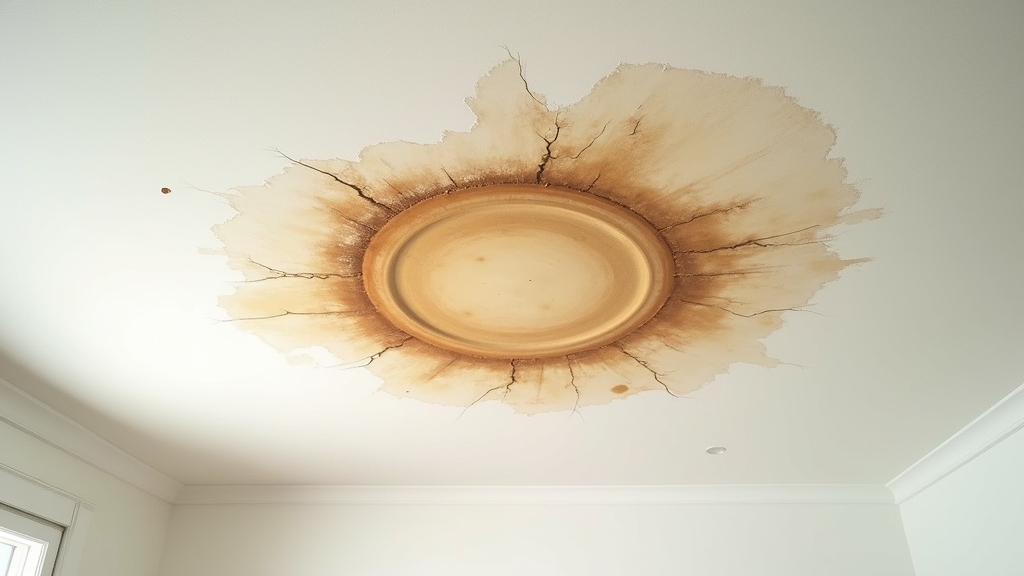
Water stains on ceilings or walls often signal roof leaks, condensation issues, or plumbing problems that allow moisture to migrate into interior surfaces.
Discoloration rings, yellow or brown patches, and faint damp outlines indicate ongoing or past water damage. A systematic ceiling inspection helps locate the source: note stain size, shape, and whether it darkens after rain or during high humidity.
Check adjacent rooms and upper floors for consistent patterns. Peeling paint, bubbling drywall, or a musty odor suggest prolonged moisture exposure. Use a moisture meter to confirm dampness and track spread.
Document findings with photos and dates. Prompt attention limits structural deterioration and mold growth, preserving insulation and finishes.
If causes remain unclear, schedule a professional roof assessment for targeted repairs.
Missing, Cracked, or Curling Shingles
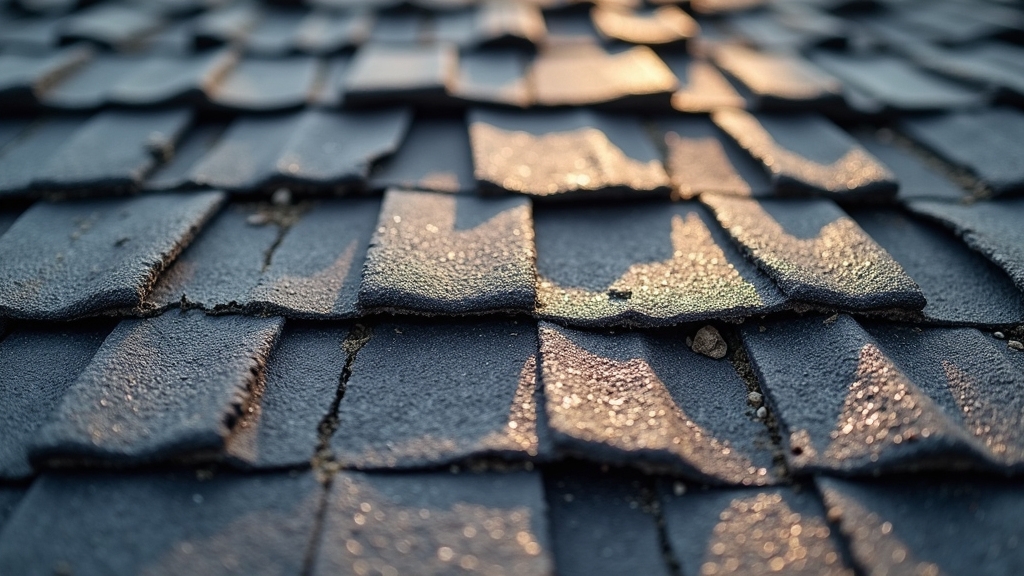
Though often overlooked from the ground, missing, cracked, or curling shingles are among the clearest indicators that a roof’s weatherproofing is failing. Each condition exposes vulnerable seams where water and wind can penetrate, stressing underlayment and decking. Missing shingles create immediate gaps; cracks allow capillary leaks; curled edges lift under gusts, reducing weather resistance.
These symptoms often appear as shingles near the end of their shingle lifespan or after severe temperature swings and UV exposure. Ice, heat, and repeated wet-dry cycles accelerate brittleness, while poor attic ventilation can warp edges from beneath.
Noting patterns—such as widespread curling on sun-facing slopes—helps pinpoint systemic aging versus isolated damage. Prompt inspection can confirm causes, estimate remaining service life, and guide targeted repairs before minor failures become structural issues.
Granules Accumulating in Gutters and Downspouts

Granules in gutters and downspouts often indicate the protective coating from asphalt shingles is shedding.
This loss exposes the shingle surface to UV damage and accelerates weathering.
As granule loss increases, shingle lifespan shortens, signaling the need for closer monitoring or timely replacement.
What Granules Indicate
A collection of loose shingle granules in gutters and downspouts signals surface wear and UV-protective loss on an asphalt roof. Observed objectively, granule shedding points to coating breakdown from age, heat, or mechanical abrasion. Different granule types and roofing materials shed differently; early shedding after a new install may reflect excess from manufacturing, while patterned bald spots indicate active erosion at high-sun or high-flow areas.
| Indicator | What it Suggests |
| Sand-like, colored specks | Asphalt shingle surfacing |
| Heavy deposits after storms | Hail or wind abrasion |
| Consistent color loss on slopes | UV concentration and coating wear |
| Granules mixed with shingle dust | Friction from foot traffic or debris |
Persistent accumulation merits a closer roof inspection to identify source areas, verify slope exposure, and assess drainage influences.
Impact on Shingle Lifespan
In many cases, sustained granule accumulation in gutters and downspouts shortens shingle service life by accelerating UV and moisture damage. As protective mineral layers wash off, asphalt becomes exposed, increasing heat absorption and cracking risk. This shingle deterioration invites leaks, curling, and premature failure, particularly on sun-facing slopes.
Granule loss also signals broader lifespan factors. Aging, thermal cycling, hail impact, and foot traffic can loosen granules; clogged gutters then compound the issue by holding water against edges and valleys.
Noticing sand-like debris at downspout discharge or in gutter corners suggests the roof surface is thinning. Routine inspections, debris removal, and prompt flashing and sealant repairs slow further loss.
When widespread shedding persists after storms or cleaning, professional evaluation helps determine repair versus replacement.
Sagging Roof Lines or Decking
Leaning into a telltale warning, sagging roof lines or decking signal structural stress that should not be ignored. Such deflection often points to compromised roof structure, aging materials, or moisture-weakened components. Observers may notice dips along ridges, valleys, or between rafters. These visual cues suggest support issues that can spread, increasing load on adjacent framing and fasteners.
| Indicator | Likely Cause | Suggested Action |
| Ridge dip | Undersized ridge/settlement | Structural assessment |
| Valley sag | Trapped moisture/rot | Open, dry, reinforce |
| Wavy planes | Sheathing deterioration | Replace panels |
| Soft spots | Fastener pull-through | Refasten/overlay |
| Gutter pull | Edge rot/fascia failure | Repair edges |
Prompt evaluation limits secondary damage, including cracked shingles and loosened flashing. A qualified roofer should measure deflection, probe sheathing, and review drainage to determine scope and repair.
Light Shining Through the Attic
Beyond surface sagging, interior clues can be equally revealing—light filtering through the attic is a red flag for breaches in the roof envelope.
Visible daylight often indicates gaps around shingles, flashing, ridge caps, or sheathing seams that should be continuous and sealed. Small pinpoints can suggest nail holes or lifted shingles; broader streaks may signal missing materials or warped decking.
Observation should occur during daytime with lights off. Locations of light help pinpoint where repairs are needed from above.
These openings can also disrupt attic ventilation, creating uneven airflow that traps heat and moisture. Over time, that imbalance can worsen insulation issues, reduce energy efficiency, and stress roof components.
Prompt evaluation by a qualified professional helps confirm causes, prioritize repairs, and prevent further deterioration.
Persistent Leaks After Rain or Snow
Persistent leaks after rain or snow point to active breaches in the roofing system, not just aging or cosmetic wear. When water appears repeatedly after storms, it signals pathways where liquid is bypassing shingles, flashing, or underlayment. This pattern suggests compromised roofing materials, failed seals around penetrations, or ice-dam backflow at eaves.
Observing where leaks emerge helps pinpoint likely entry points—valleys, skylights, chimneys, or vent stacks. Ceiling stains that expand after each weather event indicate ongoing moisture damage inside assemblies. Left unaddressed, fasteners can corrode and decking can delaminate, increasing repair scope and cost.
A prompt roof inspection can verify the source, test slope drainage, and assess flashing integrity.
Timely remediation—resealing, replacing damaged components, and correcting details—prevents escalation and restores weather resistance.
Mold, Mildew, or Musty Odors Indoors
Although musty odors can seem minor at first, they often indicate active moisture intrusion and hidden biological growth within the building envelope.
When moisture enters through compromised roofing, spores find porous materials—drywall, insulation, or attic sheathing—and colonize. Elevated indoor humidity sustains this growth, and a faint, persistent smell often precedes visible staining. Discoloration on ceilings, peeling paint, or fuzzy patches along attic rafters suggest a roof-related source.
A prompt roof inspection helps identify leak points around flashing, penetrations, and valleys before structural materials deteriorate. Technicians may use moisture meters and infrared imaging to trace damp pathways.
After repairs, ventilation adjustments and dehumidification reduce indoor humidity. Professional mold removal should follow, ensuring contaminated materials are safely handled and source moisture is fully corrected to prevent recurrence.
Unexplained Spikes in Energy Bills
Musty indoor odors tied to roof leaks are not the only warning sign; unexplained spikes in energy bills can also point to roofing problems.
When heating or cooling costs rise without a change in weather patterns, household size, or thermostat settings, a compromised roof may be reducing energy efficiency. Worn shingles, gaps at ridgelines, or deteriorated underlayment can allow conditioned air to escape and outside air to infiltrate, forcing HVAC systems to work harder.
A practical first step is to compare utility bills across similar seasons and note any abrupt increases.
If insulation in the attic appears compressed, damp, or displaced, or if daylight is visible through the roof deck, an inspection is warranted.
Timely roof maintenance restores proper sealing and ventilation, stabilizes indoor comfort, and helps control utility expenses.
Damaged Flashing Around Vents, Chimneys, or Skylights
Damaged flashing around vents, chimneys, or skylights often shows as cracked sealant, lifted edges, rust, or missing sections.
Water intrusion indicators include stained ceilings, damp insulation, moldy odors, and localized drips during rain.
With these signs confirmed, the decision shifts to targeted resealing or section repair versus full flashing replacement based on extent, material condition, and underlying substrate damage.
Common Flashing Failure Signs
When flashing starts to fail around vents, chimneys, or skylights, the evidence is often subtle but consequential.
Common flashing failure signs include cracked sealant lines, lifted edges, or gaps where metal meets masonry or roofing.
Warped or corroded flashing materials suggest age or galvanic reaction.
Dents, pinholes, or splitting near fasteners indicate stress or improper flashing installation.
Staining or rust streaks on the metal surface often reveal moisture exposure at joints.
Loose counterflashing, missing screws, or dried, brittle caulk around penetrations point to movement and UV breakdown.
Shingle granules accumulating adjacent to flashing can signal friction or uplift.
Visible step-flashing misalignment along walls or chimneys shows shifting or poor fastening.
Early recognition of these conditions supports timely, targeted roof inspections.
Water Intrusion Indicators
Several telltale signs point to water intrusion where flashing meets vents, chimneys, or skylights. Discoloration or soft spots on nearby sheathing, damp insulation, or a musty smell in the attic often appear first.
Brown ceiling rings below these roof penetrations suggest slow roof leaks. On the exterior, rusted or lifted flashing edges, missing sealant, and gaps where metal meets masonry or shingles allow capillary action to pull water inward.
Staining on chimney bricks, efflorescence, or peeling paint inside a chase indicates prolonged moisture. After rain, look for drip marks, wet drywall seams, or warped trim aligned with the penetration.
Ice dams can worsen seepage at these junctions. Early detection of these indicators limits hidden water damage and prevents escalating interior issues.
Repair vs. Replacement Decisions
Evidence of moisture around penetrations raises the question of whether to fix the flashing or replace it entirely. A measured approach weighs repair considerations against replacement factors.
Localized issues—loose fasteners, minor sealant failure, or a small puncture—often merit targeted repairs using compatible flashing materials and high-quality sealants. However, widespread corrosion, cracked metal, distorted step flashing, or recurring leaks suggest systemic failure.
Age of the roof and adjacent materials matters. Newer roofs benefit from repairs that preserve service life, while nearing end-of-life systems often justify replacement for durability and warranty continuity.
Inspect counterflashing at chimneys, saddle design, and curb height at skylights; improper detailing supports replacement. Safety, code compliance, and manufacturer specifications also guide decisions.
Document conditions, prioritize prevention, and budget for long-term reliability.
Recent Severe Weather or Storm Activity
Although each region faces unique hazards, recent severe weather or storm activity is a clear trigger to schedule a roof inspection. High winds can lift shingles, hail can bruise or fracture materials, and driving rain can force water beneath flashing.
Even when damage is not obvious from the ground, small breaches can lead to leaks, insulation decay, or mold. A prompt weather assessment helps determine the extent of storm damage and prevents minor issues from spreading.
Inspectors look for displaced shingles, punctures, granule loss, dented metal, cracked tiles, and compromised sealant around penetrations. They also check gutters and downspouts for debris that signals material wear.
Documented findings support insurance claims and guide timely repairs. Acting quickly preserves roof integrity, reduces costs, and extends service life after severe weather.
Frequently Asked Questions
How Often Should a Roof Be Professionally Inspected in Different Climates?
It should be inspected annually in temperate regions, twice yearly in harsh climates, and after major storms. Roof maintenance timelines vary with Climate impact: extreme heat, heavy snow, high winds, and coastal salt accelerate wear, demanding more frequent evaluations.
Does a New Roof Warranty Require Regular Inspections to Remain Valid?
Yes. Many new roof warranty requirements specify documented maintenance and inspection frequency to keep coverage valid. Terms vary by manufacturer and contractor; owners should review warranty documents, follow maintenance schedules, retain proof of inspections, and promptly address issues to avoid denial.
What Credentials or Certifications Should a Roof Inspector Have?
A qualified roof inspector holds state roofing licenses, manufacturer certifications, liability insurance, and OSHA safety training. Strong inspector experience includes years in installation/repair, moisture diagnostics, attic ventilation knowledge, infrared scanning proficiency, and continuing education with organizations like NRCA, IIBEC, or InterNACHI.
Can Drone Inspections Replace Traditional On-Roof Assessments?
Drone inspections cannot fully replace on-roof assessments. Drone technology improves reach, safety, and inspection accuracy, especially for steep or fragile roofs. However, tactile checks, fastener testing, and close-up moisture probing still require qualified inspectors physically verifying conditions and repairs.
How Much Does a Standard Roof Inspection Typically Cost?
A standard roof inspection typically costs $150–$400. Roof inspection costs vary by roof size, slope, accessibility, region, and inspection type. The average price rises with add-ons like drone imaging, moisture scans, or detailed reports, sometimes reaching $500–$700.
Final Thoughts
Spotting early warning signs—water stains, missing or curling shingles, granules in gutters, sagging lines, attic daylight, musty odors, or post-storm damage—means it’s time to act before small issues become costly repairs. A timely, professional roof inspection can confirm causes, protect structure and insulation, and preserve energy efficiency. Whether you manage a residential roof or a commercial property, addressing flashing and sealant failures, improving ventilation, and planning preventive maintenance keeps your roof performing as designed.
For expert help right away, turn to Premiere Roofing Macomb—your local roofing contractors in Macomb, MI. From targeted repairs to full roof replacement and material-specific solutions like asphalt shingles and metal roofing, our team delivers thorough inspections, clear recommendations, and quality workmanship.
If you’ve noticed any of the signs above—or it’s been a year since your last check—contact us today to schedule your inspection or request a free quote. Protect your home, control costs, and gain peace of mind with professionals who stand behind their work.