
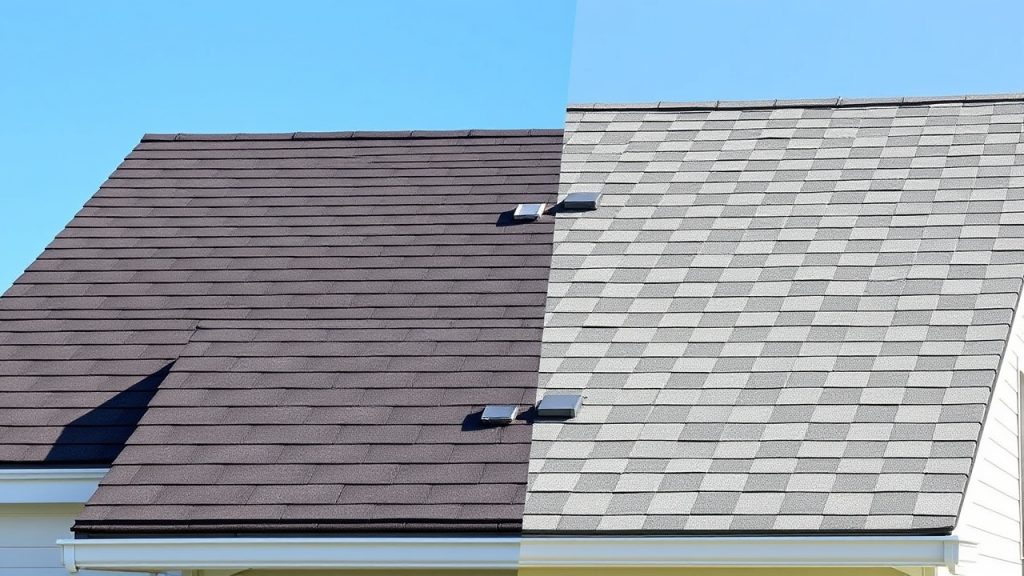
When it comes to roofing, you’ll need to weigh the trade-offs between asphalt shingles and composite roofing. Asphalt is more budget-friendly upfront, but composite offers greater durability, eco-friendliness, and aesthetic appeal – though it costs more. Asphalt typically lasts 20-30 years, while composite can last 50+. Composite is also easier to install and maintain. Ultimately, the best choice depends on your priorities and home design – but there’s more to explore if you’re curious about maximizing your roofing investment.
Key Takeaways
- Composite roofing offers better durability and longevity, lasting up to 50 years compared to 20-30 years for asphalt shingles.
- Asphalt shingles are more budget-friendly, while composite roofing has a higher upfront cost but lower long-term maintenance.
- Composite roofing has a smaller environmental impact, being made from recycled materials and offering better recyclability.
- Both options provide aesthetic versatility, with composite roofing offering a more sophisticated and customizable look.
- Composite roofing may require more skilled installation, but it can be faster and safer compared to asphalt shingles.
Cost Comparison
One of the key factors to evaluate when choosing between asphalt shingles and composite roofing is the cost.
Asphalt shingles are generally more affordable, with an average cost of $3 to $5 per square foot, including installation.
Composite roofing, on the other hand, can range from $5 to $12 per square foot, making it a more significant investment.
However, the higher upfront cost of composite roofing may be offset by its longer lifespan and lower maintenance requirements.
If you have budget constraints, asphalt shingles might be the more practical choice.
But if material availability isn’t an issue, composite roofing could be a worthwhile investment that provides increased durability and aesthetic appeal.
Durability and Lifespan
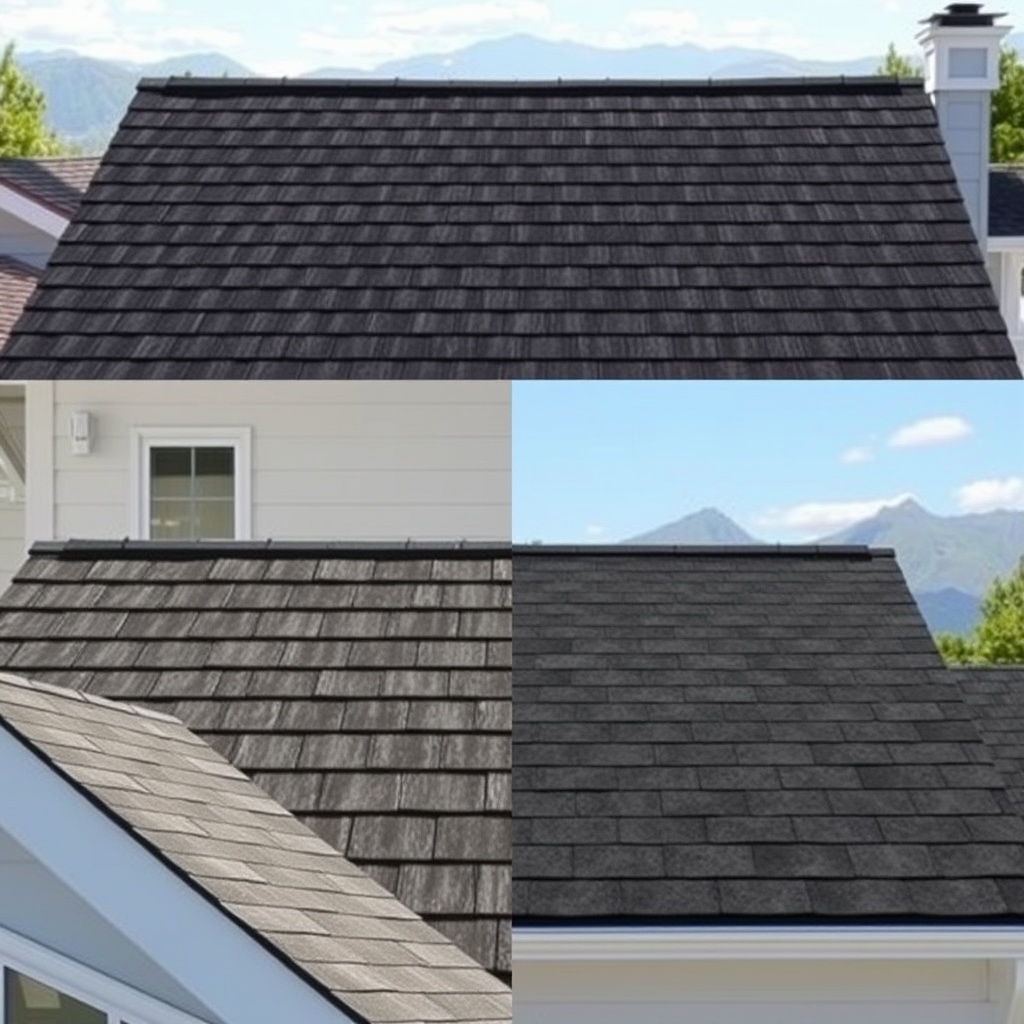
When it comes to durability and lifespan, composite roofing materials generally outlast asphalt shingles.
Composite roofs can withstand harsh weather conditions better, often lasting 50 years or more.
In contrast, asphalt shingles typically need replacement after 20-30 years due to weathering and wear.
Longevity Comparison
The longevity of asphalt shingles and composite roofing materials is an important factor to take into account when choosing a roofing system.
Asphalt shingles typically have a lifespan of 15-30 years, depending on factors like climate and installation quality. In contrast, composite roofing boasts impressive durability, with a life expectancy of 30-50 years.
This extended lifespan makes composite an attractive option for homeowners seeking a long-lasting, low-maintenance roofing solution. While asphalt shingles may be more affordable upfront, the need for more frequent replacements can offset this advantage over time.
Ultimately, the longevity of your roofing investment is an important consideration when weighing the pros and cons of asphalt shingles versus composite roofing.
Weathering Resistance
As you evaluate the weathering resistance of asphalt shingles and composite roofing, it’s crucial to take into account their durability and lifespan.
Asphalt shingles are susceptible to weathering factors like UV radiation, wind, and hail, which can cause cracking, curling, and granule loss over time.
In contrast, composite roofing materials like metal or synthetic tiles are more climate resilient, offering enhanced resistance to these weathering elements.
This translates to a longer lifespan, with composite roofs often lasting 40-50 years compared to the 15-30 year lifespan of asphalt shingles.
When considering weathering resistance, composite roofing emerges as the more durable and long-lasting choice.
Environmental Impact
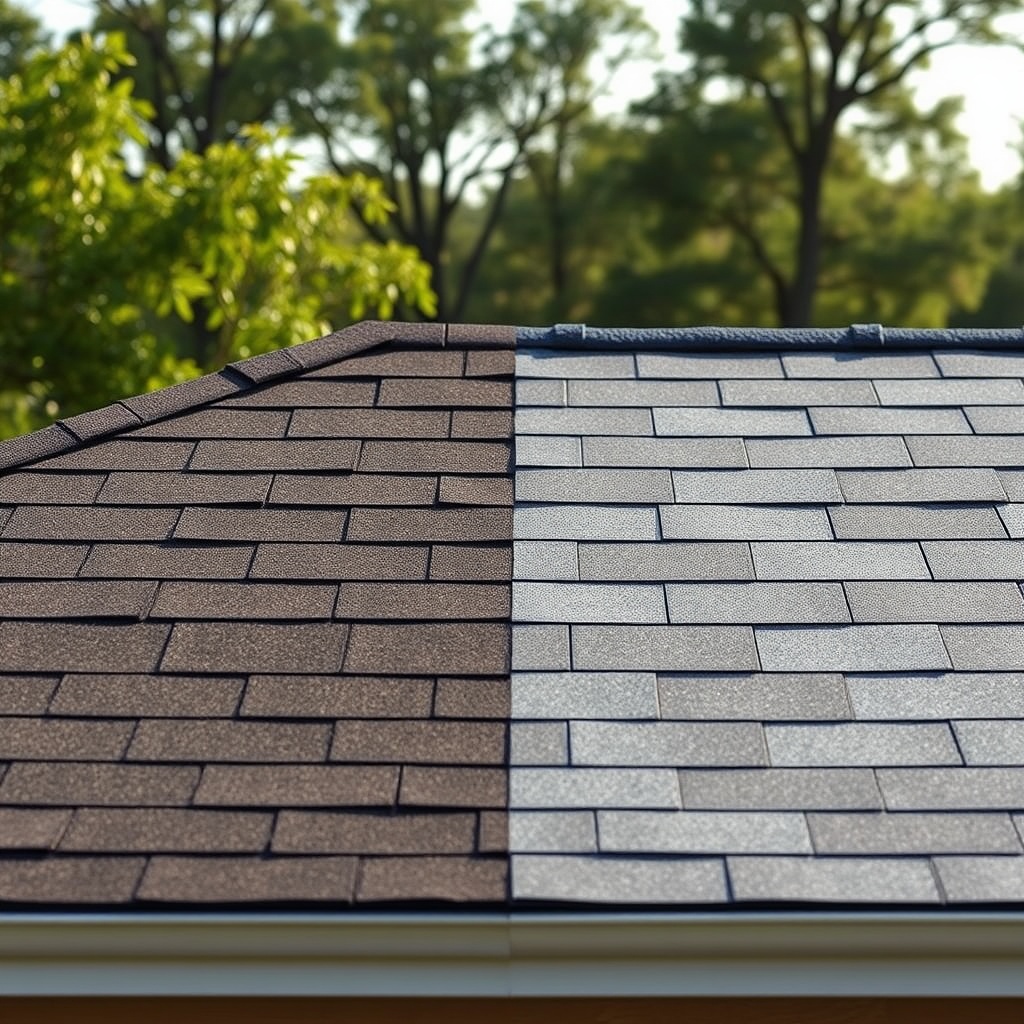
Although both asphalt shingles and composite roofing have environmental impacts, the latter typically boasts a smaller carbon footprint.
Composite roofing is often made from recycled materials, making it a more sustainable option. Asphalt shingles, on the other hand, are petroleum-based and less environmentally friendly.
When it comes to end-of-life evaluations, composite roofing has better recyclability options. Many manufacturers offer take-back programs, allowing homeowners to recycle their roofing materials.
Asphalt shingles, meanwhile, often end up in landfills, contributing to waste.
Ultimately, the environmental impact of your roofing choice is an important factor to evaluate.
Composite roofing generally outperforms asphalt shingles regarding sustainability factors, making it a more eco-conscious option for your home.
Aesthetic Considerations
How important are aesthetic considerations when comparing asphalt shingles and composite roofing?
Both offer a range of color options and style versatility to complement your home’s architecture. Asphalt shingles come in a variety of hues, from classic black and brown to more vibrant shades.
Asphalt shingles come in a variety of hues, from classic black and brown to more vibrant shades, offering style versatility.
Composite roofing, on the other hand, can mimic the appearance of wood shakes, slate, or even clay tiles, providing a unique and sophisticated look.
Ultimately, the aesthetic appeal of your roof will depend on your personal preferences and the overall design of your home.
Whether you prefer the timeless charm of asphalt or the modern elegance of composite, both options can enhance your home’s curb appeal and contribute to its overall aesthetic.
Installation and Maintenance
Asphalt shingles are a breeze to install, with their simple overlapping design.
In contrast, composite roofing may require more skill and effort, but it’s built to last, needing minimal upkeep over the years.
Weigh the tradeoffs between the ease of installation and the long-term durability when deciding which option suits your needs.
Ease of Installation
One of the main advantages of composite roofing over asphalt shingles is its ease of installation.
Composite roofing panels are typically larger, lighter, and easier to handle, requiring fewer pieces to cover a roof. This translates to:
- Faster installation times, reducing labor costs.
- Fewer safety risks for workers, as lighter materials are easier to maneuver.
- The ability to be installed in a wider range of weather conditions compared to asphalt shingles.
- Simpler installation techniques, making it a more DIY-friendly option for homeowners.
Ultimately, the ease of installing composite roofing can be a significant factor in favor of this material over traditional asphalt shingles.
Durability and Upkeep
While composite roofing may be easier to install, its durability and maintenance requirements are key considerations. Composite roofs typically last 30-50 years, compared to 15-30 years for asphalt shingles. However, composite upkeep practices can be more involved, with periodic cleaning and inspections to maintain their appearance and performance. Consider these factors:
| Feature | Asphalt Shingles | Composite Roofing |
| Lifespan | 15-30 years | 30-50 years |
| Maintenance | Low | Moderate |
| Repair Costs | Low | Moderate |
| Sustainability | Less recyclable | More recyclable |
Ultimately, the higher maintenance costs of composite roofing may offset its longer lifespan, so carefully weigh your options based on your budget and needs.
Pros and Cons
When it comes to choosing between asphalt shingles and composite roofing, it’s important to weigh their respective pros and cons.
Let’s explore:
- Durability: Composite roofing boasts impressive longevity, often lasting 50 years or more, while asphalt shingles typically have a lifespan of 15-30 years.
- Maintenance: Composite roofing requires minimal maintenance, while asphalt shingles may need more frequent repairs and replacements.
- Performance Metrics: Composite roofing outperforms asphalt shingles regarding fire and impact resistance, making it a safer choice in certain markets.
- Market Trends: Composite roofing is gaining popularity due to its environmental benefits and increased demand for sustainable building materials.
Ultimately, the choice between asphalt shingles and composite roofing depends on your specific needs, budget, and long-term goals for your home.
Frequently Asked Questions
Are Asphalt Shingles and Composite Roofing Fire-Resistant?
Both asphalt shingles and composite roofing have good fire ratings and heat resistance, so they’re both fire-resistant options. The specific fire ratings will depend on the product you choose, so be sure to compare them.
Can Composite Roofing Be Installed on Steep-Sloped Roofs?
Yes, composite roofing can be installed on steep-sloped roofs, though it may present some installation challenges due to the material’s flexibility on a sloped surface. With proper techniques, composite roofing can be an effective choice for steep-pitch homes.
How Does the Noise Level Compare Between the Two?
Composite roofing generally provides better noise absorption and sound insulation than asphalt shingles. The density of composite materials helps dampen noise, making it a quieter option for your roof.
Can Asphalt Shingles Be Repaired if Damaged?
Yes, you can typically repair asphalt shingles if they’re damaged. Assess the extent of the damage, then use common repair techniques like sealing or replacing individual shingles to restore your roof’s integrity.
Does the Roof Color Impact Energy Efficiency?
Yes, your roof color can impact your home’s energy efficiency. Lighter-colored roofs reflect more sunlight, keeping your home cooler and reducing cooling costs. Darker roofs absorb more heat, potentially increasing your energy usage for air conditioning.
Final Thoughts
Choosing between asphalt shingles and composite roofing ultimately comes down to your priorities—upfront cost, long-term performance, durability, sustainability, and the overall look you want for your home. Asphalt shingles remain a practical, budget-friendly solution, while composite roofing offers superior longevity, stronger weather resistance, and enhanced curb appeal. No matter which material you’re leaning toward, a professional evaluation ensures you’re selecting the right system for your climate, roof structure, and long-term investment.
If you want expert guidance tailored to your home, Premiere Roofing Macomb is here to help. From material comparisons to full installations, our licensed roofing contractors in Macomb, MI provide trusted recommendations and top-tier workmanship. Whether you choose traditional asphalt shingles or long-lasting composite roofing, we ensure a durable, beautiful roof built to protect your home for decades.
Ready to explore your best roofing option? Contact us today to schedule an inspection or request a free quote. Our team will help you make a confident, informed decision—and deliver a roof that performs as well as it looks.