
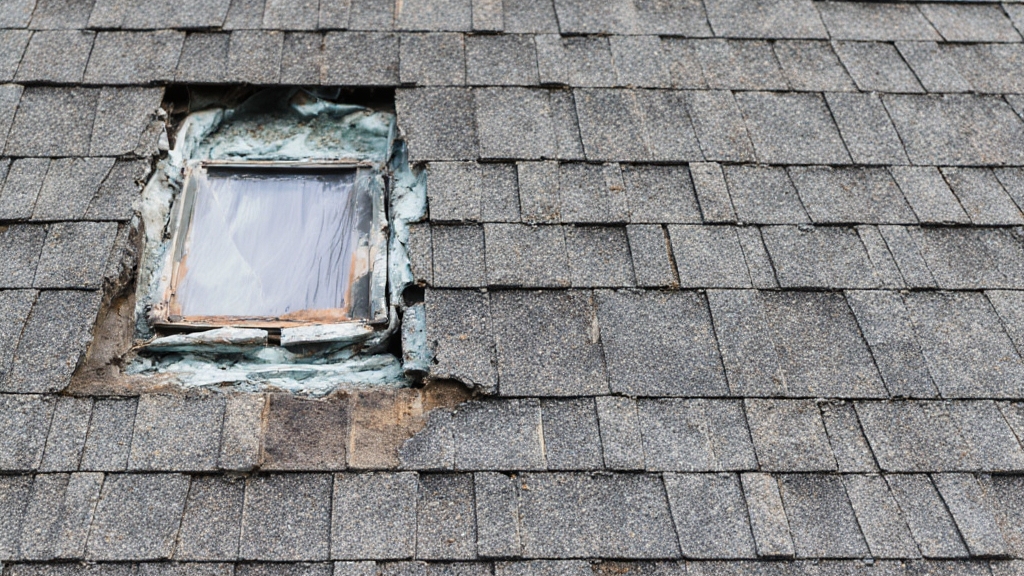
When it comes to maintaining your home, deciding between roof replacement and repair can be challenging. You might spot minor leaks or missing shingles and wonder if a quick fix will suffice. However, if your roof is aging or showing more serious signs of wear, it could be time to reflect on a replacement. Understanding the nuances of these choices is essential, and knowing what factors to weigh can greatly impact your decision. Let’s explore those factors further.
Key Takeaways
- Assess the extent of damage; minor issues may only require repairs, while extensive damage could necessitate a full roof replacement.
- Consider the age of the roof; if it’s nearing the end of its lifespan, replacement is often more cost-effective than repeated repairs.
- Evaluate the cost of immediate repairs against potential long-term replacement expenses to make an informed decision.
- Look for signs of recurring issues; multiple repairs in a short period often indicate that replacement is the better option.
- Consult a professional for an inspection to gain insights into the roof’s condition and the best course of action.
Understanding the Importance of Roof Health
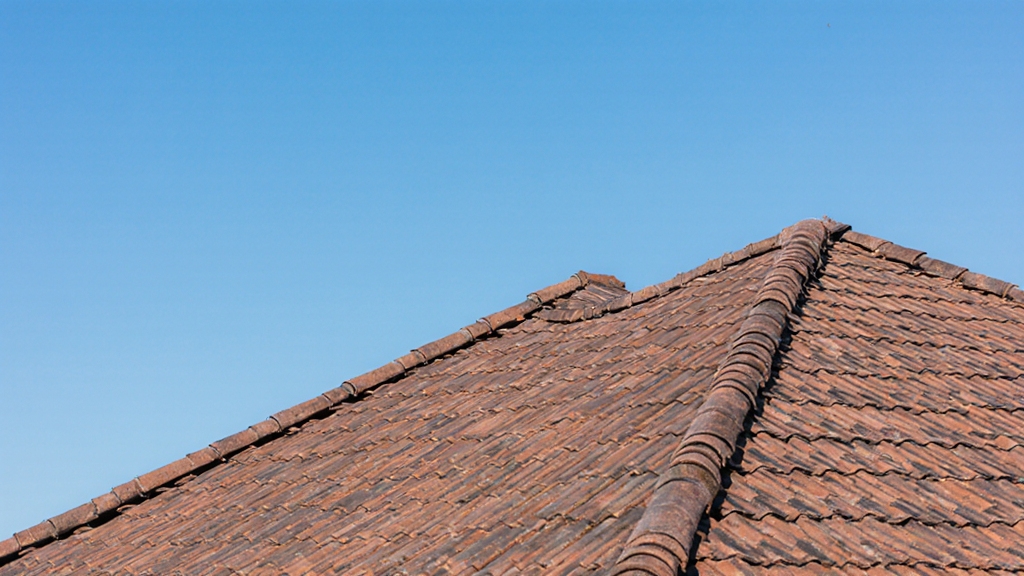
When it comes to your home, maintaining a healthy roof is essential since it protects you from the elements and plays a significant role in your home’s overall integrity.
Regular roof maintenance helps prevent minor issues from escalating into costly repairs. By inspecting your roof periodically, you can identify problems like missing shingles or leaks before they compromise your structural integrity.
Regular roof inspections can catch small issues early, preventing them from turning into expensive repairs.
It’s important to clean gutters, remove debris, and check for signs of wear, ensuring your roof remains in top shape.
Don’t ignore any signs of aging or damage, as neglecting maintenance can lead to expensive consequences down the line. A well-maintained roof not only safeguards your home but also enhances its value.
Ultimately, by prioritizing roof health, you’re investing in the longevity of your property and ensuring a safe living environment for you and your family.
Top 5 Warning Signs Your Roof Needs Repair
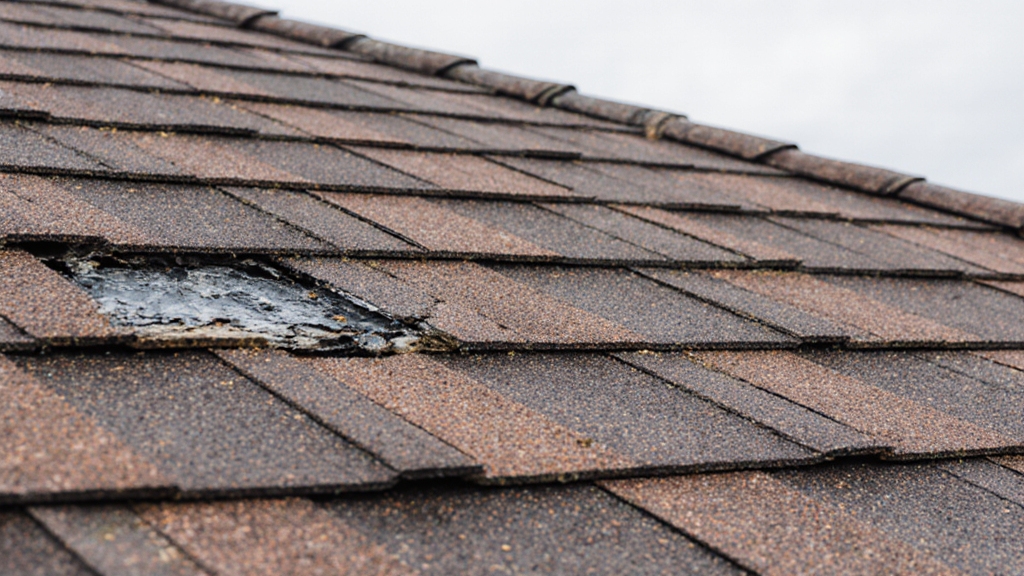
Your roof works tirelessly to protect your home, but over time, it can show signs of wear and tear.
Recognizing these warning signs early can help you maintain its structural integrity and extend its roof lifespan.
Here are the top four signs your roof needs repair:
- Shingle Damage: Missing or cracked shingles can expose your roof to leaks and moisture buildup.
- Leak Detection: Stains on your ceilings or walls might indicate a roof leak that needs immediate attention.
- Moisture Buildup: If you notice mold or mildew in your attic, it may be a sign of trapped moisture affecting your roof’s health.
- Sagging Areas: Any dips or sagging spots can indicate serious structural issues that require urgent repair.
Don’t wait until these issues worsen; addressing them promptly can save you money and headaches in the long run.
Identifying When to Replace Your Roof
Although repairs can often extend the life of your roof, there comes a time when replacement is the more practical option. A thorough roof inspection can help you determine the best course of action.
Look for signs like extensive shingle damage, persistent leaks, or sagging areas. If your roof’s material lifespan is nearing its end—typically 20 to 30 years for asphalt shingles—it’s wise to start considering a replacement.
Also, if you’ve had multiple repairs in a short period, this could indicate that your roof is beyond saving. Pay attention to the overall condition and performance; if you’re frequently dealing with issues, it’s a sign that a new roof may be more cost-effective in the long run.
Cost Analysis: Should You Repair or Replace Your Roof?
How do you decide whether to repair or replace your roof? Conducting a cost comparison is essential. Here are four factors to evaluate:
- Repair Costs: Calculate the immediate expenses for repairs versus the long-term costs of replacement.
- Repair Longevity: Assess how long repairs might last. If repairs only extend the roof’s life by a few years, replacement may be wiser.
- Extent of Damage: Determine how widespread the damage is. Minor issues might warrant repairs, while significant damage usually calls for replacement.
- Future Maintenance: Think about the ongoing costs. Frequent repairs can add up, making a new roof more economical in the long run.
How Roof Age Influences Your Decision
When considering whether to repair or replace your roof, its age plays a vital role.
You’ll want to look for signs of aging, like missing shingles or leaks, and understand the typical lifespan of your roofing material.
This knowledge helps you decide if it’s time for a replacement or if a simple repair will suffice.
Signs of Aging Roof
An aging roof often shows clear signs that can influence your decision between repair and replacement.
Here are some key indicators to watch for:
- Shingle curling: Curled or buckled shingles can indicate advanced wear.
- Granule loss: If you notice granules in your gutters, it’s a sign your shingles are deteriorating.
- Moisture spots: Stains on ceilings or walls can suggest leaks and potential mold growth.
- Structural sagging: A sagging roof may signal serious structural issues requiring immediate attention.
If you see these signs, don’t ignore them.
They could lead to roof leaks, flashing damage, or even more extensive repairs down the line.
Evaluating these factors will help you make an informed decision.
Lifespan Expectations and Options
Understanding the age of your roof is essential in deciding whether to repair or replace it. Each roofing material has different lifespan expectations; asphalt shingles typically last 20-30 years, while metal roofs can exceed 50 years.
If your roof is nearing the end of its lifespan, you might consider replacement rather than repair, which could be a temporary solution.
When evaluating your roofing options, think about the long-term costs versus immediate needs. If your roof is still relatively young and shows minor wear, a repair might suffice.
However, if it’s aging with multiple issues, investing in a replacement could save you money and headaches down the road.
Ultimately, knowing your roof’s age helps guide your decision effectively.
How Weather Damage Affects Your Roofing Decisions
Although weather damage can be unpredictable, it significantly influences your roofing decisions. Understanding how various elements affect your roof’s integrity helps you make informed choices. Here are key factors to evaluate:
- Wind Damage: Strong winds can loosen shingles, leading to costly repairs if ignored.
- Hail Impact: Hail can create dents and cracks, increasing the risk of water leaks.
- Temperature Fluctuations: Extreme heat or cold can cause materials to expand and contract, leading to seasonal wear.
- Emergency Repairs: After a storm, you might need immediate repairs to maintain storm resilience and prevent further damage.
Regular roof maintenance is vital to address these issues early.
Does a New Roof Increase Your Home’s Value?
A new roof can greatly boost your home’s value, making it a smart investment for homeowners. When you consider a roof replacement, remember it’s not just about aesthetics; it can profoundly impact your home appraisal. A well-maintained roof signals to potential buyers that your property is a solid investment.
Here’s a quick look at how a new roof affects your home’s value:
| Factor | Before Replacement | After Replacement |
| Appraisal Value | Lower | Higher |
| Buyer Appeal | Limited | Increased |
| Long-Term Savings | Maintenance Costs | Reduced Costs |
Investing in a new roof can enhance curb appeal, attract buyers, and ultimately provide a higher return on your property investment. It’s a decision that not only protects your home but also elevates its market position.
Long-Term Plans: Considering Future Home Projects
When planning future home projects, it’s essential to reflect on how each addition or renovation will align with your long-term goals.
Evaluating your roof’s condition plays a significant role in this decision-making process. Here are four key factors to take into account:
Evaluating your roof’s condition is crucial for informed decision-making in your home projects.
- Budget: Determine how much you can allocate for repairs or replacements without sacrificing other future renovations.
- Home Resale Value: Think about how your roof’s condition affects your home’s overall appeal and marketability.
- Maintenance: Ponder the upkeep your roof will require and how it fits into your lifestyle and future plans.
- Energy Efficiency: A new roof can improve insulation, reducing energy costs and increasing comfort, which may appeal to future buyers.
Choosing the Right Roofing Material for Repairs or Replacement
How do you choose the right roofing material for your repair or replacement project? Start by considering your budget and the specific needs of your home.
Asphalt shingles are popular due to their durability and cost-effectiveness. They can withstand various weather conditions and come in a range of styles and colors, making them a versatile choice.
On the other hand, if you’re looking for longevity and low maintenance, explore the metal roofing advantages. Metal roofs can last 50 years or more and are resistant to extreme weather, which could save you money in the long run. They also reflect heat, potentially lowering your energy bills.
Ultimately, weigh the pros and cons of each material against your priorities. Whether you prioritize affordability, durability, or longevity, understanding your options will help you make a confident decision for your roofing project.
Warranty and Insurance Insights
Understanding the warranty and insurance aspects of your roofing project is essential, as they can greatly impact your long-term satisfaction and financial security.
Grasping warranty and insurance details is crucial for your roofing project’s lasting satisfaction and financial protection.
Here are some key points to take into account regarding warranty coverage and insurance claims:
- Types of Warranties: Know the difference between manufacturer and workmanship warranties; both play significant roles in protecting your investment.
- Coverage Duration: Check how long the warranty lasts, as this can vary from years to decades depending on the materials used.
- Transferability: If you plan to sell your home, find out if the warranty is transferable to new owners; this can enhance your property’s value.
- Insurance Claims Process: Familiarize yourself with your homeowner’s insurance policy to understand how to file claims related to roof damage, ensuring you’re covered when it matters most.
The Role of Professional Inspections in Your Decision
Professional inspections play a significant role in determining whether to repair or replace your roof. A thorough evaluation by an expert not only identifies existing issues but also uncovers potential future problems. This insight helps you weigh the inspection benefits against the costs of repairs or replacement.
Here’s a quick comparison of key inspection benefits:
| Inspection Benefits | Importance |
| Early Problem Detection | Saves money on major repairs |
| Safety Assurance | Protects your family’s well-being |
| Enhanced Longevity | Extends the life of your roof |
| Informed Decision Making | Guides you on repair vs. replace |
| Increased Property Value | Boosts your home’s market appeal |
Making the Final Decision: Repair or Replace?
When it comes to your roof, deciding whether to repair or replace can be tough.
You’ll need to assess the extent of the damage, consider your budget, and think about the long-term impact on your home.
Weighing these factors carefully will help you make the best choice for your situation.
Assessing Damage Extent
How can you tell if your roof needs a repair or a full replacement? Start with a thorough damage assessment.
Here are four key factors to evaluate:
- Age of the Roof: If your roof is nearing or past its expected lifespan, replacement might be necessary.
- Extent of Damage: Is the damage localized, or is it widespread? Small leaks may be repairable, while extensive damage often indicates a need for replacement.
- Material Condition: Check for missing, cracked, or curling shingles. If many are damaged, repairs may not suffice.
- Interior Damage: Look for water stains or mold inside your home. This could signify severe roof issues requiring more than just repair options.
Budget Considerations and Impact
After evaluating the damage to your roof, budget considerations come into play as you weigh your options between repair and replacement. It’s essential to align your decision with your financial planning. Sometimes, repairs may seem like cost-effective solutions, but they can add up if the damage is extensive. Conversely, while roof replacement is a higher upfront cost, it often provides longer-term savings and peace of mind.
| Option | Estimated Cost |
| Roof Repair | $500 – $2,500 |
| Roof Replacement | $5,000 – $15,000 |
Consider the long-term implications of each choice. Investing wisely now can save you money and stress down the road, so choose what aligns best with your financial goals.
Frequently Asked Questions
How Do Seasonal Changes Affect Roof Repair or Replacement Decisions?
Seasonal changes influence your roof decisions greatly. Winter weather can lead to ice damage, while summer storms might expose weaknesses. You’ll want to assess your roof’s condition after each season to make informed choices about repairs or replacements.
What Type of Maintenance Can Extend My Roof’s Lifespan?
Regular roof inspections and preventive maintenance can greatly extend your roof’s lifespan. By addressing minor issues promptly and keeping debris off, you’ll guarantee your roof remains in top shape for years to come.
Can I DIY a Roof Repair Safely?
You can DIY a roof repair safely if you follow safety precautions and use the right DIY tools. Always wear protective gear, secure ladders properly, and guarantee weather conditions are favorable before starting your project.
What Local Regulations Should I Consider for Roofing Work?
You should check permit requirements and zoning laws in your area before starting any roofing work. These regulations can affect your project’s legality, so it’s essential to guarantee you’re compliant to avoid potential fines.
How Do I Choose a Reputable Roofing Contractor?
To choose a reputable roofing contractor, check their credentials and reviews. Request project estimates from multiple contractors to compare prices and services. Trust your instincts; communication and transparency are key to finding the right fit.
Final Thoughts
Deciding between roof repair and replacement can be challenging, but you don’t have to figure it out alone. By looking closely at the extent of the damage, your roof’s age, and the long-term costs, you can choose the option that truly protects your home instead of just putting a temporary bandage on the problem. A professional roof inspection is often the best first step, giving you a clear picture of whether strategic repairs or a full roof replacement will serve you better over time.
If you’re in Macomb or the surrounding areas and still weighing your options, Premiere Roofing Macomb is here to help. Our experienced team handles everything from residential roofing to asphalt shingle and metal roofing systems, and we’ll walk you through your choices so you can make an informed, confident decision. To learn more about who we are and how we work, visit our About Us page, explore our full list of roofing services, or reach out directly through our Contact Us page to schedule your inspection or request an estimate. Prioritizing your roof’s health today helps ensure your home stays safe, comfortable, and protected for years to come with Premiere Roofing Macomb by your side.