
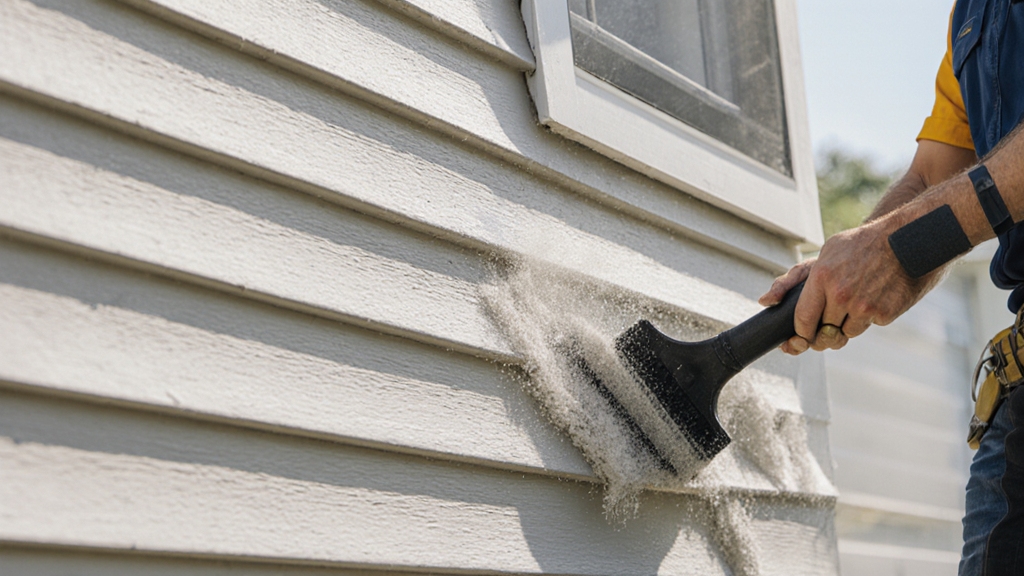
When it comes to maintaining your home, siding often gets overlooked. Yet, regular upkeep is essential for protecting your investment and maintaining your home’s appearance. From vinyl to wood, each siding material requires specific care. If you’re unsure where to start or how to tackle common issues, you’re not alone. Let’s explore effective strategies that can keep your siding in top shape and prevent costly repairs down the line.
Key Takeaways
- Clean vinyl siding annually with mild detergent and water to prevent dirt and mildew buildup.
- Inspect for cracks or damage during cleaning and address issues promptly.
- Apply wood preservative to wood siding every few years to maintain integrity.
- Follow a seasonal maintenance checklist to prepare for changing weather conditions.
- Seek professional help for extensive damage to ensure accurate assessments and repairs.
Why Regular Siding Maintenance Is Essential
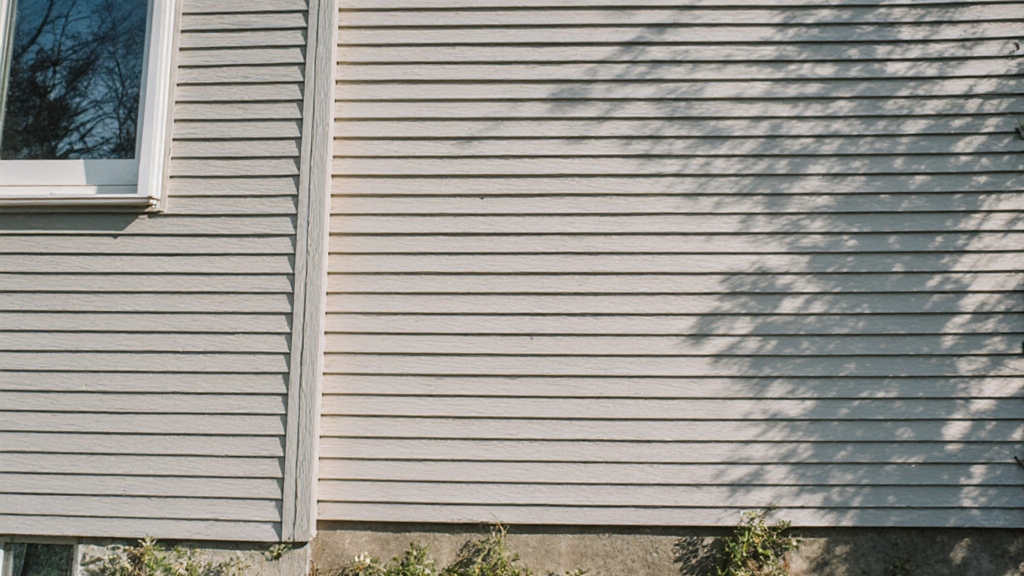
While you mightn’t think about it often, regular siding maintenance is essential for protecting your home. Neglecting this task can lead to costly repairs down the line, as well-maintained siding prevents moisture buildup, mold growth, and pest infestations.
Understanding the siding longevity benefits can save you time and money in the long run. By performing routine maintenance, you’re not only enhancing your home’s curb appeal but also extending the life of your siding.
Simple tasks like cleaning, inspecting for damage, and applying protective coatings can make a significant difference. When you take the time to prioritize this upkeep, you’re ensuring that your siding stands strong against the elements.
Investing in regular siding care boosts its lifespan and keeps your home safe and attractive. So, don’t overlook the importance of routine maintenance—your home deserves it!
How to Effectively Clean and Maintain Different Siding Materials
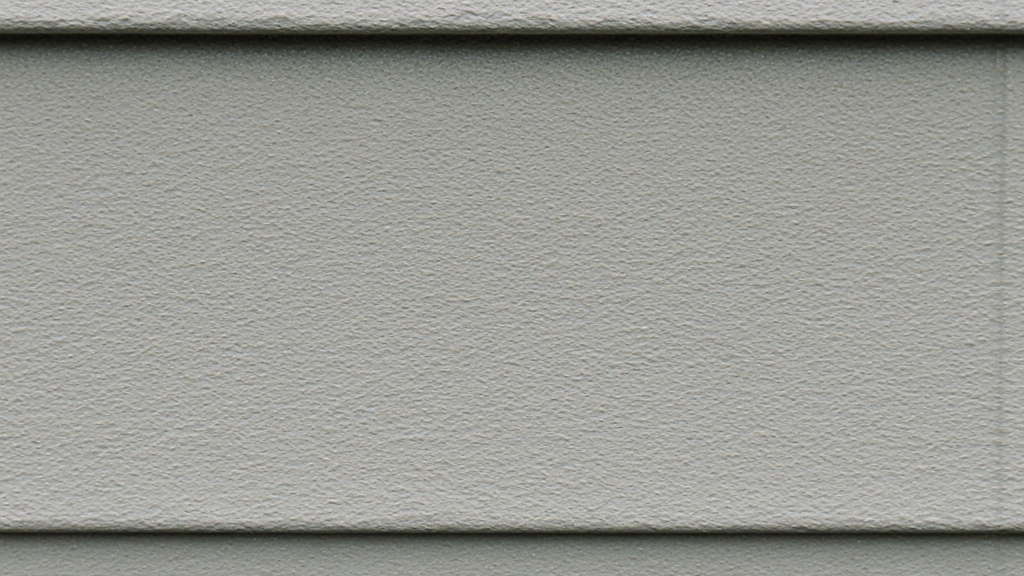
When you’re caring for your home’s exterior, knowing how to clean and maintain different siding materials is essential.
For vinyl siding, start by using a soft cloth or sponge with a mixture of mild detergent and water. Rinse thoroughly to prevent streaks and buildup. Aim to clean it at least once a year to keep it looking fresh.
To maintain vinyl siding, clean it annually with a mild detergent and water, rinsing well to avoid streaks.
If you have wood siding, it requires a bit more attention. Use a gentle cleaner specifically designed for wood to avoid damage.
Scrub with a soft brush to remove dirt and mildew, and rinse well. To protect it from the elements, consider applying a wood preservative or paint every few years.
Common Siding Issues and Fixes
When it comes to siding, you might encounter issues like cracked panels, mold growth, or loose pieces.
These problems not only affect your home’s appearance but can also lead to more serious damage if left unaddressed.
Let’s explore some straightforward solutions to keep your siding in top shape.
Cracked Or Damaged Panels
Cracked or damaged panels can be a homeowner’s nightmare, but addressing these issues promptly can save you time and money.
Start by evaluating the damage; if it’s minor, you might use panel repair techniques like patching or caulking to extend your panel’s life. For larger cracks, consider replacing the affected panels entirely.
Research siding replacement options that match your existing material for a seamless look. Vinyl, wood, and fiber cement each have different repair methods and costs, so choose what’s best for your situation.
Regular inspections can help catch these issues early, preventing more extensive damage. By staying proactive, you’ll maintain your home’s appearance and protect its value.
Don’t wait—take action to keep your siding in great shape!
Mold And Mildew Growth
Mold and mildew can quickly become a problem on your siding if left unchecked, creating unsightly stains and potentially damaging your home. To prevent this, regular cleaning is essential.
Use a mixture of water and mild detergent to wipe down your siding, making sure you remove any dirt or debris that can encourage growth. For tougher spots, consider a specialized mildew treatment designed for your siding material.
After cleaning, rinse thoroughly to eliminate any residue. To enhance mold prevention, make certain your gutters are clear and direct water away from your home’s foundation.
Additionally, trim any overhanging branches to improve sunlight exposure, as sunlight helps inhibit mold and mildew growth. Regular maintenance will keep your siding looking its best.
Loose Or Missing Siding
Loose or missing siding is a common issue that can compromise your home’s appearance and efficiency.
Regular siding inspections are essential to catch these problems early. If you notice any loose or missing pieces, don’t wait to address them.
Here are some effective repair techniques you can use:
- Re-nail loose boards to secure them back in place.
- Replace damaged panels to maintain structural integrity.
- Seal gaps with caulk or weatherstripping to prevent moisture infiltration.
- Paint or stain exposed areas to protect against the elements.
Why You Should Inspect and Repair Your Siding
Regularly inspecting and repairing your siding can save you from costly damage down the line.
It also boosts your home’s curb appeal, making it look fresh and inviting.
Plus, well-maintained siding improves energy efficiency, keeping your home comfortable and your bills lower.
Prevent Costly Damage
While it might be easy to overlook, inspecting and repairing your siding is essential for preventing costly damage to your home.
Regular siding inspections help you catch issues early, saving you money and stress down the line.
Here are some preventative measures to take into account:
- Look for cracks or gaps in the siding.
- Check for signs of mold or mildew.
- Inspect caulking around windows and doors.
- Confirm your siding is free from debris and dirt.
Enhance Curb Appeal
When you take the time to inspect and repair your siding, you’re not just protecting your home; you’re also boosting its curb appeal. Fresh, well-maintained siding enhances your home’s aesthetic and aligns with current design trends. Consider updating your siding color to make a statement that reflects your style.
| Siding Color | Effect on Curb Appeal |
| Light Blue | Creates a calming look |
| Charcoal Gray | Adds modern elegance |
| Cream | Provides a classic appeal |
| Earthy Green | Blends with nature |
Improve Energy Efficiency
Inspecting and repairing your siding is essential not just for aesthetics but also for improving your home’s energy efficiency.
When your siding is in good condition, it helps maintain a comfortable indoor temperature, reducing energy costs.
Here are a few ways to enhance energy efficiency through siding maintenance:
- Look for cracks or gaps that can let air escape.
- Consider energy saving upgrades like insulated siding.
- Guarantee proper sealing around windows and doors.
- Regularly clean your siding to avoid mold and mildew, which can degrade insulation.
Seasonal Siding Maintenance Checklist
Maintaining your siding throughout the year is essential for preserving its appearance and longevity. Regular seasonal inspections can help you catch any weather-related wear before it worsens. Here’s a simple checklist to guide your maintenance efforts:
| Season | Tasks | Purpose |
| Spring | Inspect for damage and clean | Prepare for rain and humidity |
| Summer | Check for mold and mildew | Prevent growth and discoloration |
| Fall | Clean gutters and check for cracks | Protect against winter weather |
Best Products for Cleaning and Maintaining Your Siding
Choosing the right products for cleaning and maintaining your siding can make a significant difference in its appearance and durability.
To keep your siding looking its best, consider using the following siding maintenance products:
- Eco-friendly cleaners: These are safe for the environment and effectively remove dirt and grime without harsh chemicals.
- Soft-bristle brushes: Ideal for gently scrubbing your siding without causing damage.
- Pressure washers: When used correctly, they can efficiently clean larger areas without harmful scrubbing.
- Mildew and mold removers: Look for products specifically formulated to tackle these common issues, ensuring your siding stays pristine.
When to Call a Professional for Siding Repair?
How can you tell when it’s time to call in a professional for siding repair? First, keep an eye out for cracks, warping, or mold on your siding. These are clear professional repair signs that indicate your home needs immediate attention.
If you notice any water damage or significant gaps between the panels, don’t hesitate to seek help.
Follow siding inspection guidelines regularly to catch issues early. If you’re unsure about the extent of damage or how to fix it, it’s wise to consult with a professional. They’ve the expertise to assess the situation accurately and recommend the best course of action.
Finally, if repairs seem extensive or you lack the right tools and skills, calling in a pro can save you time and money in the long run.
Don’t risk further damage—get a professional’s help when you need it!
Frequently Asked Questions
How Often Should I Inspect My Siding for Damage?
You should inspect your siding at least twice a year. Use damage assessment techniques like visual checks and moisture testing. This siding inspection frequency helps you catch issues early and maintain your home’s integrity.
Can I Paint Over My Existing Siding?
Yes, you can paint over your existing siding. Just make certain it’s clean and in good condition. When selecting a siding paint, consider colors that complement your home’s style and neighborhood for the best results.
What Are the Signs of Poor Siding Installation?
You’ll notice poor siding installation if you see gaps between siding materials, uneven panels, or signs of moisture damage. Improper installation techniques can lead to costly repairs, so it’s essential to inspect your siding regularly.
Is It Safe to Pressure Wash All Siding Types?
It isn’t safe to pressure wash all siding materials. Vinyl and aluminum can usually handle it, but wood and fiber cement might get damaged. Always check manufacturer guidelines before pressure washing to avoid costly repairs.
How Does Weather Affect My Siding’s Lifespan?
Weather greatly affects your siding’s lifespan. Different siding materials offer varying degrees of weather resistance. Extreme temperatures, moisture, and UV exposure can weaken them, so regular inspections and maintenance are essential to prolong their durability.
Final Thoughts
By prioritizing regular siding maintenance, you can protect your home from costly damage and keep its curb appeal strong year-round. Simple habits—like cleaning your siding, inspecting for cracks, warping, or mold, and addressing small issues promptly—go a long way toward avoiding major repairs and extending the life of your exterior. Pairing these efforts with a seasonal checklist and the right cleaning products will help ensure your siding stays in top shape.
If you’re starting to notice more serious issues or you’re unsure what your siding really needs, it may be time to bring in a professional. Premiere Roofing Macomb offers expert siding replacement and exterior services as part of our full range of home exterior and roofing solutions. To learn more about who we are, visit our About Us page, or reach out through our Contact Us page to schedule an inspection or request an estimate. Taking these steps today helps ensure your siding lasts longer, performs better, and keeps your home looking its best with Premiere Roofing Macomb by your side.