
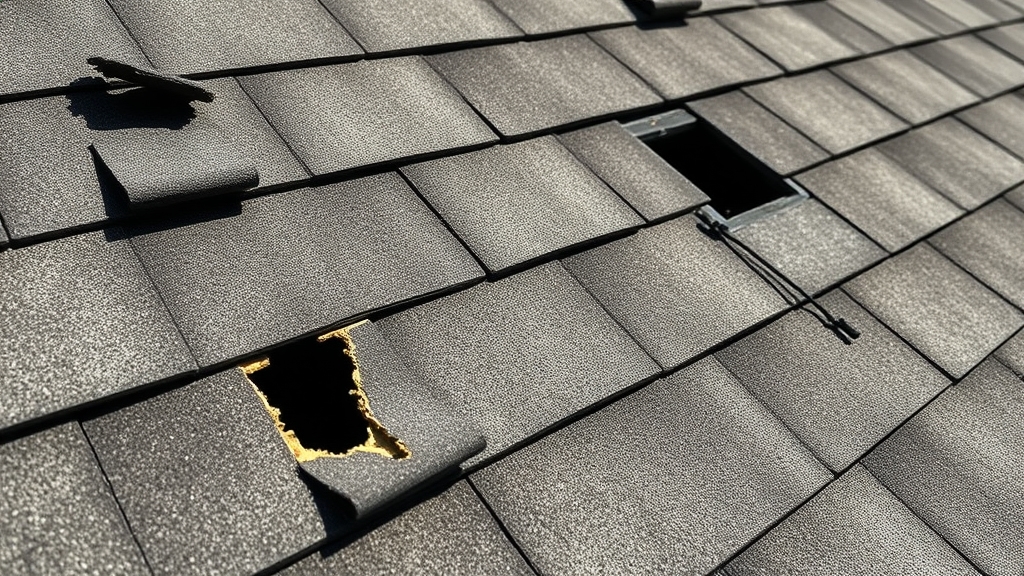
Asphalt shingles can suffer from curling, cracking, moss and algae growth, leaks, granule loss, blistering, and ice dams. Curling and cracking happen from exposure, aging, and inadequate ventilation. Moss and algae cause discoloration and water damage. Leaks often stem from missing or damaged shingles. Granule loss leaves shingles vulnerable to UV rays. Blistering results from trapped moisture. Proper installation, regular maintenance, and prompt repairs can address these common issues and extend your roof’s lifespan. To learn more, continue reading.
Key Takeaways
- Curling, cracking, and blistering of shingles can be caused by exposure to elements, improper installation, aging, and inadequate ventilation, requiring shingle replacement and improved ventilation.
- Moss, algae growth, and granule loss can discolor and prematurely age shingles, leading to increased leak risk and UV exposure, addressed by regular cleaning and sealant application.
- Leaks and water damage, common issues with asphalt shingles, require prompt detection and repair, with proper insulation, ventilation, and high-quality waterproof materials as preventative measures.
- Ice dam prevention, through measures like improved insulation and ventilation, gutter cleaning, and roof raking, can protect against icicle dangers and costly winter weather damage.
- Regular maintenance, including inspections and addressing indicators like water stains, missing shingles, and accumulated snow, can help identify and resolve issues early, minimizing repair costs.
Curling and Cracking
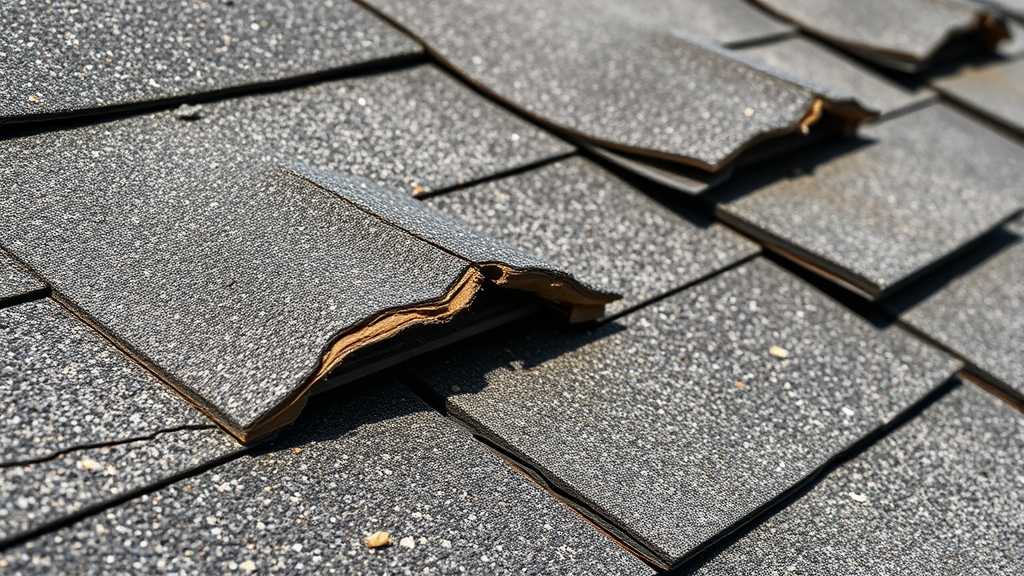
Although asphalt shingles are a popular roofing material, they can be susceptible to issues like curling and cracking over time.
Curling occurs when the edges of the shingles start to bend upwards, while cracking is when the shingle surface develops small fissures. These problems are often caused by exposure to the elements, improper installation, or aging.
To address curling and cracking, you can consider shingle replacement or maintenance tips like regularly inspecting your roof, clearing debris, and ensuring proper ventilation.
Proper maintenance can help extend the lifespan of your asphalt shingles and prevent more severe issues down the line.
Moss and Algae Growth
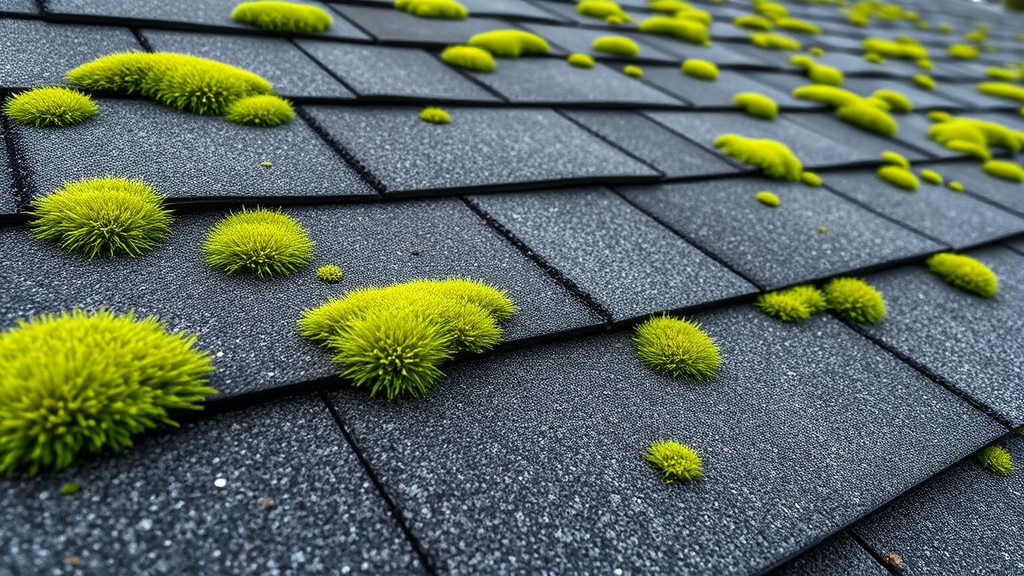
Moss and algae can accumulate on your asphalt shingles, causing discoloration and premature aging.
These growths can trap moisture, leading to rotting and damage to your roofing system.
Regularly cleaning your roof and using preventative measures like zinc or copper strips can help keep moss and algae at bay.
Causes of Moss/Algae
Asphalt shingles can fall victim to unsightly moss and algae growth due to several key factors.
Damp, shaded areas on the roof provide the perfect environment for moss to thrive. Algae, on the other hand, flourish in humid conditions and can spread quickly across the shingles.
Poor roof ventilation traps moisture, further exacerbating the problem. Additionally, shingles that don’t receive adequate sunlight are more susceptible to moss and algae growth.
To prevent this, maintain proper roof drainage, trim overhanging trees, and consider installing a ventilation system.
Regular cleaning and the use of algae-resistant shingles can also help combat moss and algae growth on your asphalt roof.
Impacts on Shingles
The impacts of moss and algae growth on asphalt shingles can be quite detrimental. These microorganisms can trap moisture, accelerating deterioration and reducing the shingles’ lifespan.
Some key impact factors include:
- Discoloration and staining, which detracts from your home’s curb appeal
- Increased risk of leaks and water damage as the shingles degrade
- Reduced reflectivity, leading to higher cooling costs and energy consumption
- Structural weakening, making the shingles more susceptible to cracking and splitting
These environmental effects can be costly, both regarding repairs and decreased property value.
Addressing moss and algae growth promptly is essential to maintaining the integrity and longevity of your asphalt shingle roof.
Removal and Prevention
If left unattended, moss and algae growth can be a persistent problem for your asphalt shingles.
When it’s time to remove the affected shingles, proper disposal is essential. Shingle disposal should follow local regulations to prevent environmental harm.
Preventative maintenance is key to avoiding future moss and algae growth. Regularly clean your roof, and consider installing zinc or copper strips to discourage growth.
Trim nearby trees and keep gutters clear to reduce moisture buildup. With proactive steps, you can protect your asphalt shingles and maintain the appearance and integrity of your roof.
Leaks and Water Damage
Leaks and water damage are among the most common issues homeowners face with asphalt shingles. These problems can lead to costly repairs and even more extensive damage if left unaddressed. Effective leak detection and proper waterproofing techniques are essential to preventing and addressing these issues.
Some key factors that contribute to leaks and water damage include:
- Damaged or missing shingles
- Improper installation or flashing
- Aging and deterioration of the roofing system
- Pooling water or inadequate roof slope
To address these problems, homeowners should regularly inspect their roofs, identify and repair any leaks or damaged areas, and consider upgrading their roofing system with high-quality, waterproof materials.
Granule Loss
Although often overlooked, granule loss can be a significant concern with asphalt shingles. Granules protect the underlying asphalt from UV damage and add texture, so their shedding can lead to premature aging and surface wear.
Here’s a table that outlines common causes and effects of granule loss:
| Cause | Effect |
| Weathering | Increased UV exposure and asphalt deterioration |
| Physical Damage | Missing granules, bald spots, and leaks |
| Faulty Installation | Accelerated granule shedding and shingle failure |
| Manufacturer Defect | Uneven or excessive granule loss |
| Algae/Moss Growth | Discoloration and potential shingle breakdown |
To address granule loss, closely inspect your roof, replace damaged shingles, and consider a sealant or coating to protect the exposed asphalt. Staying proactive can help extend your roof’s lifespan and prevent costly water damage.
Blistering and Bubbling
Another common asphalt shingle issue is blistering and bubbling. This occurs when trapped water or air pockets form beneath the shingle surface, causing it to bulge upward.
The main causes of blistering include:
- Inadequate ventilation in the attic
- Improper installation techniques
- Excessive moisture in the roofing materials
The effects of blistering and bubbling can be significant. Not only does it detract from the roof’s aesthetic appeal, but it can also lead to further damage, such as shingle cracking and premature aging.
To address this problem, homeowners may need to improve attic ventilation, re-install the shingles correctly, or replace any moisture-damaged materials.
Addressing blistering and bubbling promptly is essential to maintaining a healthy, long-lasting roof.
Improper Installation
Improper installation is another major culprit behind blistering and bubbling issues. Disregarding roofing guidelines and using subpar installation techniques can lead to premature shingle failure. Sloppy workmanship, such as incorrect nail placement or inadequate ventilation, creates the perfect conditions for moisture buildup and shingle deformation.
| Proper Installation | Improper Installation |
| Secure shingles with correct nails | Nails placed incorrectly or missing |
| Guarantee adequate roof ventilation | Insufficient ventilation |
| Follow manufacturer’s instructions | Disregard installation guidelines |
To avoid these problems, always hire a licensed professional who prioritizes quality workmanship. Proper installation is vital for guaranteeing your roof’s longevity and protecting your home from the elements.
Weathering and Sun Damage
Over time, the sun’s relentless UV rays and harsh weather can take a toll on your asphalt shingles. UV exposure can cause shingles to become brittle and crack, while thermal expansion and contraction from temperature changes can lead to curling and buckling.
This damage makes your roof more vulnerable to leaks and further deterioration. To address weathering and sun damage, you may need to:
- Replace severely damaged or missing shingles
- Apply a UV-resistant coating to protect against sun exposure
- Guarantee proper ventilation to regulate temperature and moisture
- Consider more durable, sun-resistant roofing materials during future replacements
Staying vigilant and addressing weathering issues promptly can help extend the life of your asphalt roof and maintain its performance.
Ice Dams and Icicles
Although asphalt shingles are designed to withstand harsh weather, they can still be susceptible to the formation of ice dams and icicles during the winter months. Ice dams occur when melting snow refreezes at the roof’s edge, creating a barrier that traps additional snowmelt. This can lead to water leakage and damage to your home. Icicles, though picturesque, can also pose safety risks if they break off and fall.
| Ice Dam Prevention | Icicle Dangers |
| Guarantee proper insulation and ventilation in the attic | Can cause injury if they break and fall |
| Clean gutters and downspouts regularly | Indicate the presence of an ice dam |
| Use heat cables or heat tape to melt ice buildups | May signal water leakage and potential roof damage |
| Consider roof raking to remove snow accumulation | Aesthetically unappealing and can detract from a home’s curb appeal |
Addressing ice dams and icicles promptly can help protect your asphalt shingles and your home from costly winter weather damage.
Frequently Asked Questions
How Often Should Asphalt Shingles Be Replaced?
You should replace your asphalt shingles every 15-20 years. Look for signs like curling, cracking, and missing granules – these replacement signs indicate it’s time for new shingles. Follow shingle maintenance tips to extend their lifespan.
Can Damaged Shingles Be Repaired Instead of Replaced?
Yes, damaged shingles can be repaired instead of replaced, which is often more cost-effective. Shingle repair involves replacing just the damaged sections, rather than the entire roof, making it a smart solution for minor issues.
How Do I Dispose of Old Asphalt Shingles?
To dispose of old asphalt shingles, you can recycle them. Check with your local waste management or roofing supplier about shingle recycling programs in your area. Proper disposal methods like landfilling are also options if recycling isn’t available.
What Is the Typical Lifespan of Asphalt Shingles?
Asphalt shingles typically last 15-30 years, depending on your climate and maintenance. To extend their lifespan, regularly inspect for damage and clear debris from the roof. With proper care, you can enjoy your shingles for decades.
Can I Install New Shingles Over Old Ones?
You can install new shingles over old ones, but it’s not recommended. The additional weight can strain the roof structure, and it’s harder to fix underlying issues. For the best results, remove the old shingles before installing new roofing materials.
Final Thoughts
Asphalt shingles are durable and reliable, but like any roofing material, they need timely care to stay at their best. Curling, cracking, moss growth, leaks, granule loss, blistering, and ice dams all start small—but can quickly escalate if ignored. Catching these issues early, improving ventilation, maintaining clean gutters, and repairing damaged shingles right away will help preserve your roof’s strength, efficiency, and long-term value.
If you’re dealing with any of these common shingle problems or want a professional assessment, Premiere Roofing Macomb is here to help. Our experienced roofing contractors in Macomb, MI provide thorough roof inspections, precise repairs, and high-quality asphalt shingle replacements designed to extend your roof’s lifespan. If the damage is more extensive, we also offer full roof replacement services tailored to your home’s needs.
Don’t wait for minor roofing issues to turn into costly structural repairs—contact Premiere Roofing Macomb today to schedule your inspection or request a free quote. Protect your home and restore your roof with trusted local experts.